
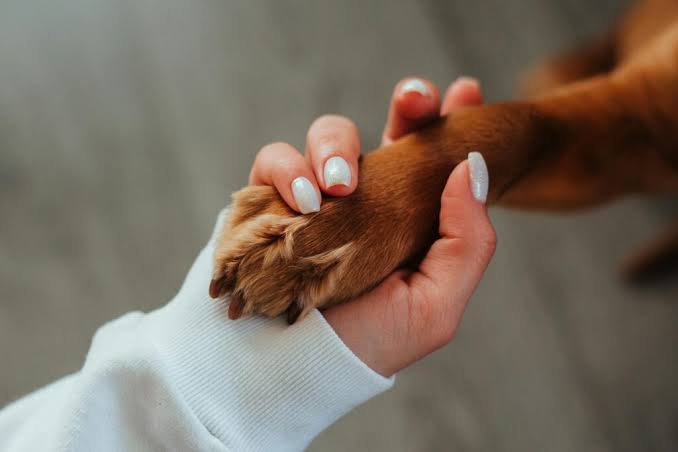

Transforming Training Into a Joyful Journey
Training a pet can sometimes feel challenging, but it does not have to become a constant struggle. Positive reinforcement is one of the most effective training methods available because it encourages good behavior without creating unnecessary stress. By using rewards and praise, owners can turn training sessions into enjoyable experiences for themselves and their pets.
Understanding the Power of Positive Reinforcement
Understanding why positive reinforcement works can help owners apply it more effectively.
Encourages desired behaviors: Pets often learn faster when they receive a reward for actions such as sitting or staying. If a dog is given a treat each time it sits on command, it begins to connect that action with a positive result. This makes the behavior more likely to be repeated.
Builds trust: Positive reinforcement strengthens the bond between pets and their owners by creating a relationship based on respect. Dogs and cats that associate their owners with affection and rewards are usually more willing to participate in training. This trust can improve learning and encourage better behavior.
Reduces fear and anxiety: Unlike harsh training techniques, positive reinforcement creates a calm and supportive learning environment. Methods such as yelling or using shock collars can cause fear and contribute to behavioral problems. A gentler approach helps pets feel secure and more willing to learn.
The Science Behind the Success
Research suggests that animals trained with positive reinforcement retain learned behaviors longer than those trained with aversive methods. One study conducted at the University of Florida found that dogs trained through positive techniques remembered commands more effectively over time than dogs trained with punishment.
Positive reinforcement is not limited to dogs and cats. It can also be adapted for less conventional pets. A rabbit can be rewarded for using a litter box, while a bird can receive praise or treats for mimicking words. In each case, the method creates an encouraging environment that motivates the animal to learn.
Maximizing Your Training Experience
Rewards can take many forms, from treats and toys to affection and verbal praise. The key is identifying what motivates your pet most.
Some animals respond enthusiastically to food, while others prefer playtime, physical affection, or encouraging words. Matching the reward to your pet’s personality and preferences can make training far more effective.
As you explore positive reinforcement further, you will learn how to time rewards correctly and avoid common training mistakes. Applying these techniques successfully can improve behavior while creating a healthier and happier environment.
Positive reinforcement does more than teach commands. It supports a lasting relationship built on trust, cooperation, and enjoyment.
DISCOVER MORE: Click here for tips on keeping your pet active and happy.
Implementing Positive Reinforcement Techniques
Positive reinforcement is more than a popular training term. It is a well-researched approach capable of producing meaningful improvements in pet behavior.
Using it successfully requires patience, consistency, and an understanding of your pet’s individual personality.
Choosing the Right Rewards
To make positive reinforcement effective, choose rewards your pet genuinely values. Animals respond differently to incentives, so experimenting with several options can help you determine what captures their attention.
Food Treats: Many pets are naturally motivated by food. Use small, appealing treats that are easy to give and digest. Choose healthy options and control portions to avoid overfeeding.
Playtime: Favorite toys or a short play session can be highly effective rewards, especially for energetic animals that enjoy active engagement.
Affection: Some pets respond strongly to praise, gentle petting, or other forms of physical attention. These rewards can create a comforting and positive connection with training.
Freedom: Pets that enjoy exploring may value a brief period of free play after completing a training task successfully.
Timing Is Everything
Timing has a major influence on the effectiveness of positive reinforcement. The reward should be delivered immediately after the desired behavior occurs.
Prompt reinforcement helps the pet connect its action with the reward. If you are teaching a dog to sit, for example, offer the reward as soon as its rear touches the ground. A delay may make it harder for the dog to understand exactly which behavior earned the reward.
Consistency Builds Habits
Consistency is another essential part of positive reinforcement training. Practice should become a regular part of your routine, and everyone in the household should follow the same rules.
Mixed commands and inconsistent expectations can confuse a pet and slow the learning process. Choose clear cues and use them consistently. Whether the command is “sit” or “stay,” using the same word each time makes it easier for your pet to understand.
Training through positive reinforcement can be both productive and rewarding. Every animal learns at a different pace, so patience is essential. By choosing motivating rewards, delivering them at the right moment, and maintaining consistent expectations, owners can build relationships based on mutual trust and understanding.
Unpacking the Benefits of Positive Reinforcement in Pet Training
Positive reinforcement involves rewarding desirable behavior, making it a central part of effective pet training. This humane method strengthens the bond between pets and their owners while creating a supportive learning environment.
One of its greatest benefits is the ability to build trust. When pets receive rewards for appropriate behavior, they begin to associate training with safety and positive experiences. This makes them more willing to participate because the sessions feel enjoyable rather than threatening.
Animals trained in this way also tend to show lower levels of stress and anxiety. This can be especially important for pets that have previously experienced negative or punitive training.
Positive reinforcement can also improve learning. Research indicates that animals trained through rewards often learn faster and remember behaviors longer. Rewarding a specific action clearly communicates which behavior is expected, making the learning process easier to understand.
The method is also highly adaptable. It can be used to teach a dog to sit, encourage a cat to use a litter box, or develop more complex skills. Owners can choose between treats, praise, affection, toys, and playtime according to what motivates their pets most.
Positive reinforcement also aligns with modern behavioral science, which emphasizes motivation rather than punishment. By encouraging good habits instead of focusing only on unwanted behavior, owners can create a calmer and more harmonious household.
| Advantages | Benefits of Positive Reinforcement |
|---|---|
| Builds Trust | Creates a safe and supportive learning environment. |
| Low Stress | Helps reduce anxiety during training. |
| Faster Learning | Encourages quicker responses to desired behaviors. |
| Versatile Technique | Can be applied to many species and training goals. |
The benefits of positive reinforcement extend beyond improved behavior. Every successful interaction creates an opportunity to strengthen trust and mutual respect, enriching the lives of both pets and their owners.
LEARN MORE: Click here to explore pet psychology in greater depth.
Understanding Your Pet’s Behavior
Using positive reinforcement successfully requires a clear understanding of your pet’s behavior. Animals communicate through vocalizations and body language. Recognizing these signals can help owners adjust their training methods to match their pets’ needs and emotional states.
Assessing Your Pet’s Learning Style
Pets have individual learning preferences. Some respond more effectively to visual signals, while others learn through spoken commands or physical guidance.
Observing your pet’s reaction to different types of instruction can reveal which approach works best. A dog motivated by verbal praise may become more engaged when its owner responds enthusiastically. A cat, by comparison, may respond better to a favorite treat.
Adapting training to these preferences can improve both focus and progress.
Reading Body Language
Body language provides important information about how a pet feels during training.
A wagging tail may suggest excitement or enthusiasm, while a lowered posture or tucked tail can indicate fear or anxiety. Recognizing these signals allows owners to change the pace or direction of a session before the animal becomes overwhelmed.
Relaxed Posture: Usually indicates that the pet feels comfortable and willing to participate.
Averted Gaze: May suggest stress or discomfort and could mean that the animal needs a break or a different approach.
Ears and Eyes: Focused attention often signals engagement, while repeatedly looking away may indicate distraction or disinterest.
The Role of Environmental Factors
The training environment can strongly affect a pet’s ability to concentrate. Loud noises and excessive activity may create distractions that make learning more difficult.
Whenever possible, conduct sessions in a quiet and familiar space where your pet feels comfortable. This can improve focus and make the animal more receptive to commands.
When training a dog outdoors, using a leash or harness may help reduce distractions and improve safety. It can also make it easier for the dog to remain focused on the owner.
Gradual Exposure to New Concepts
New commands and tricks should be introduced in manageable steps. If you are teaching a dog to roll over, begin by rewarding it for lying down. Once that step is understood, gradually guide the animal toward completing the full movement.
Breaking a complex task into smaller stages helps prevent confusion and builds confidence. Each successful step becomes an opportunity for reinforcement.
Mixing familiar commands with newer ones can also keep training sessions engaging. Familiar tasks give pets a sense of accomplishment, while new challenges encourage continued learning.
The psychological benefits of positive reinforcement extend beyond obedience. This method builds trust, reassures pets that they are succeeding, and supports a healthier emotional state throughout the learning process.
DIVE DEEPER: Click here to learn more.
Conclusion
Positive reinforcement is a valuable training approach that improves learning while strengthening the relationship between pets and their owners. By recognizing each animal’s behavior, learning style, and emotional signals, owners can create personalized training experiences that encourage trust and participation.
Understanding body language is especially important because it helps owners adjust their methods according to the pet’s comfort level. A calm and quiet environment can further improve concentration, while leashes and harnesses may help dogs remain focused and safe during outdoor sessions.
Introducing commands gradually also allows pets to develop confidence. Breaking tasks into smaller steps gives animals time to understand what is expected and rewards progress along the way.
The principles of positive reinforcement extend beyond teaching tricks and commands. They promote trust, emotional well-being, and a more fulfilling relationship between pets and their owners.
Pet training classes and online resources focused on positive reinforcement can provide further guidance for owners interested in developing these skills. Investing time and effort in this approach can lead to better-behaved pets and relationships built to last a lifetime.