
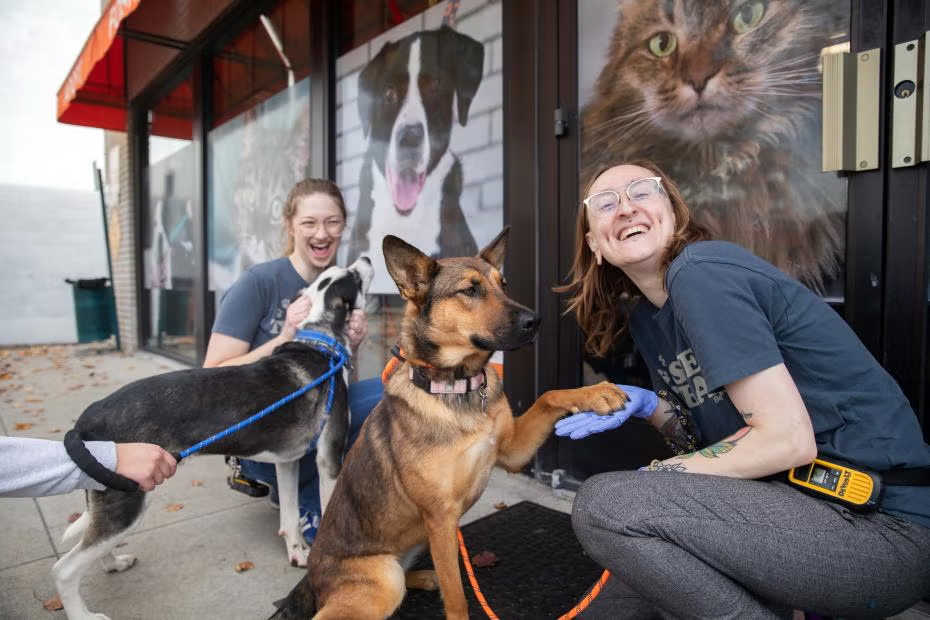

Transforming Lives Through Innovative Training
A rescue pet’s journey often begins with fear and uncertainty caused by past neglect or difficult experiences. Socialization plays a vital role in preparing these animals for safe, loving homes. By using modern methods based on current knowledge of animal behavior, rescue organizations and pet owners can help them rebuild trust and enjoy more fulfilling lives.
The growing focus on innovative training techniques represents a shift away from relying solely on traditional methods, offering new hope to countless rescue animals.
Why Focus on Socialization?
Effective socialization involves more than teaching a pet how to behave. It creates the foundation for positive interactions and supports a more balanced temperament.
Successful socialization offers several important benefits:
- Reduces fear and anxiety in unfamiliar situations, including veterinary visits and encounters with new people.
- Encourages playful interaction with people and other animals, creating positive and enjoyable experiences.
- Improves adoption success rates by making rescue pets more approachable and increasing their chances of finding permanent homes.
Innovators in the pet training community are using recent discoveries in animal behavior to create more engaging and effective learning experiences. Group training classes that combine instruction with playtime, for example, make learning enjoyable while encouraging positive relationships among pets.
These environments allow animals to develop social skills through interaction while reducing the stress often associated with formal training.
Modern techniques also include desensitization, in which fearful or cautious pets are introduced gradually to unfamiliar environments and stimuli under controlled conditions. This allows them to adjust at a comfortable pace.
Another innovative tool involves interactive technology, including virtual reality, which can simulate environments and situations that cause anxiety without requiring immediate direct exposure.
These approaches do more than improve social skills. They also give pet owners practical tools for continued learning and development. By understanding and applying these methods, caregivers can create a stable foundation for rescue pets, develop stronger relationships, and improve life for both animals and their families.
As we explore innovative training techniques for socializing rescue pets, we see not only the remarkable changes they can inspire in animals but also the meaningful impact they have on human households. Each method brings us closer to a future in which rescue pets can thrive in peaceful, loving homes.
LEARN MORE: Click here for essential pet health tips.
Engaging Approaches to Socialization
When exploring innovative training techniques for rescue pets, it is important to understand how specific approaches can reshape an animal’s experience.
Traditional methods often relied on rigid commands and structured exercises, which may increase anxiety in pets already affected by fear or trauma. A more comprehensive approach instead focuses on creating feelings of safety, trust, and engagement.
One of the most effective strategies is positive reinforcement. Rather than punishing undesirable behavior, this method rewards the actions caregivers want to encourage.
Treats, praise, and play can all serve as motivators, helping owners guide behavior while maintaining a supportive learning environment. Research suggests that pets trained through positive reinforcement are often more enthusiastic and experience less stress during training.
Another technique gaining recognition is behavioral modeling. This method uses calm, well-adjusted dogs as examples for anxious or fearful rescue animals.
By observing a confident dog interact with people, objects, or unfamiliar environments, a hesitant pet can begin learning through imitation. Behavioral modeling may build confidence while also encouraging social bonds between animals.
Utilizing Multi-Sensory Experiences
Including multi-sensory experiences in training can further improve the socialization process. Experts suggest that engaging several senses helps pets become more comfortable in unfamiliar environments.
Important elements include:
Visual Stimulation: Colorful toys and objects with different textures can capture a pet’s attention and help them feel more at ease in new settings.
Auditory Exposure: Recordings of traffic, children playing, and common household sounds can gradually desensitize pets and prepare them for real-world experiences.
Olfactory Engagement: Introducing unfamiliar scents can encourage curiosity and build confidence. Allowing pets to explore different smells during walks or supervised interactions may reduce fear of unfamiliar places.
Adding these sensory elements to training creates a more complete approach to socialization. It respects animals’ natural instincts while helping them adapt successfully to human environments and future homes.
These advanced methods address more than behavioral concerns. They also support the emotional well-being of rescue pets. By combining modern knowledge of animal psychology with engaging activities, caregivers can build stronger relationships and improve each animal’s chances of enjoying a secure and happy future.
| Skill Development | Training Benefits |
|---|---|
| Positive Reinforcement Techniques | Improves communication between the pet and trainer. |
| Socialization With Other Pets | Reduces anxiety and encourages confidence in social settings. |
| Interactive Play Sessions | Builds trust and strengthens the bond between the pet and owner. |
| Exposure to Different Environments | Helps pets adjust to new situations and reduces fearful responses. |
Positive reinforcement is one of the most valuable training techniques for rescue pets. It supports skill development while building trust and clearer communication between the animal and trainer.
Socializing rescue pets with other animals can also reduce anxiety and help them feel more confident in unfamiliar environments.
Interactive play sessions create additional opportunities for bonding. Positive shared activities allow pets and owners to develop trust and affection naturally.
Exposing rescue pets to a variety of environments is equally important. These experiences prepare them to manage different situations and may gradually reduce fearful reactions. Together, these techniques create a well-rounded socialization process that helps rescue animals become more comfortable and ready for life in a loving home.
DIVE DEEPER: Click here to learn more.
The Role of Play in Socialization
Play is widely recognized as an important part of rescue pet development and socialization. Structured play stimulates the body and mind while creating opportunities for safe social interaction.
For animals that feel uncertain in social situations, playful activities can act as a bridge, helping them approach unfamiliar experiences with less fear.
Interactive toys are especially useful because they challenge a pet’s problem-solving abilities while encouraging interaction with owners and other animals. Treat-dispensing toys, for example, reward pets for manipulating the object correctly, combining mental stimulation with opportunities for social play.
A 2019 study found that pets that regularly played with their owners showed noticeable improvements in confidence and lower stress levels, highlighting the importance of play in the socialization of rescue animals.
Group play sessions can also serve as an effective socialization tool. Organized playdates and group training classes allow hesitant dogs to observe other animals in a controlled setting.
Through these interactions, they can learn social cues, body language, and appropriate ways to communicate. Doggy daycare and community pet gatherings can also support social development by offering regular interaction in neutral and playful environments.
Incorporating Training Within Daily Routines
Another innovative approach involves integrating training into ordinary daily activities. By including socialization exercises in routine tasks, caregivers can create learning opportunities without the pressure of formal training sessions.
This makes the experience more engaging and may reduce anxiety in rescue pets.
Walks as Training Sessions: Daily walks can become interactive learning opportunities. Caregivers can introduce pets gradually to different environments, people, animals, and sounds while reinforcing calm behavior.
Grocery Shopping Outings: Taking pets to pet-friendly stores exposes them to unfamiliar sights and sounds in a supervised setting. This gradual exposure can make busy environments feel less overwhelming.
In-House Visitors: Inviting trusted friends or family members into the home can help rescue pets become accustomed to unfamiliar people. Visitors should initially avoid approaching the animal, allowing the pet to make contact when it feels ready. This approach helps build trust.
Including socialization in everyday routines makes training feel like a natural part of life rather than an intimidating task. It promotes consistency and can help rescue animals develop greater confidence and emotional stability.
As dog training continues to evolve, innovative methods increasingly reflect the personal histories and emotional needs of rescue pets. These strategies encourage a more compassionate approach while improving animal welfare and overall quality of life.
DIVE DEEPER: Click here to learn more.
Conclusion
Innovative training techniques can transform the behavior and emotional well-being of rescue pets. By incorporating play into training, caregivers create opportunities for animals to interact with people and other pets in a more relaxed and enjoyable way.
Interactive toys and group play sessions enrich the learning experience while helping rescue animals develop greater confidence.
Integrating training into daily activities—including walks, shopping trips, and visits from friends—creates a natural combination of socialization and learning. This approach makes training feel less like a formal obligation and more like a regular part of life, strengthening the relationship between rescue pets and their caregivers.
Every rescue animal has a unique history, so training methods should always be adapted to individual needs and experiences. Personalized strategies improve quality of life while promoting a more compassionate approach to animal care.
By applying these innovative techniques, caregivers can create environments where rescue pets feel safe, develop confidence, and become fully integrated members of loving households. These efforts help build a brighter future for countless animals in need.