

The Multifaceted Role of Pets in Enhancing Mental Health
Pets hold a unique and deeply valued place in our lives, offering far more than companionship alone. They provide affection, emotional support, and a sense of purpose, all of which can have a meaningful effect on mental health. Numerous studies have examined how pet behavior influences an owner’s emotional well-being, highlighting the mutually beneficial relationship between humans and their animals. Understanding this bond is essential to recognizing how pets can improve our mental state and overall quality of life.
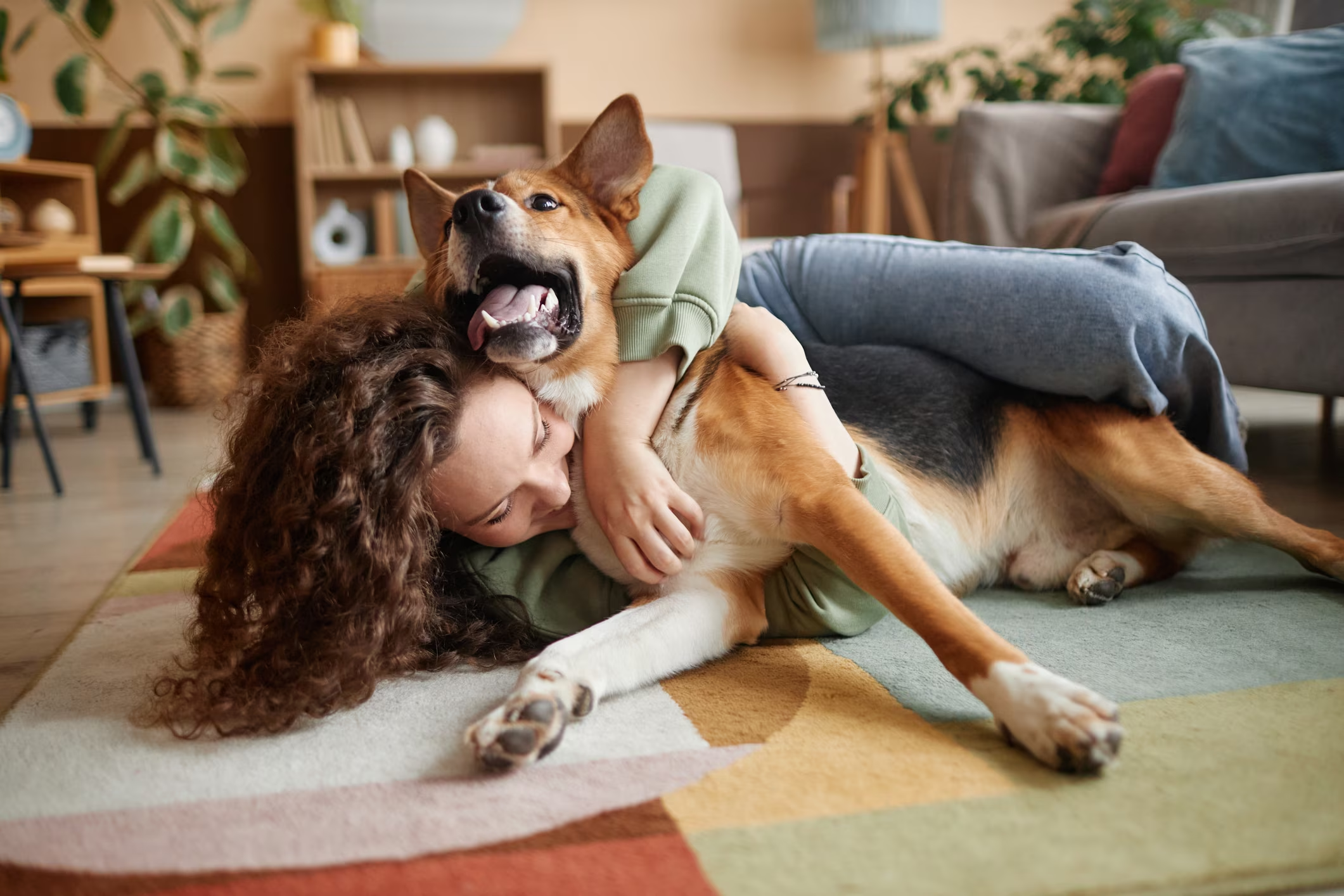
One important part of this connection is the way pets show affection. When animals cuddle, lick, or gently nudge their owners, these interactions can trigger the release of oxytocin, often called the “love hormone.” This response may also reduce cortisol levels, which are associated with stress. Research has found that dog owners often report lower levels of anxiety and depression than people without dogs. Therapy animals provide a clear example of this benefit, as they are frequently used in therapeutic settings to help veterans manage symptoms of PTSD and improve their mental health.
Pets can also have a transformative effect by helping establish daily routines. Caring for an animal requires a consistent schedule, bringing structure and purpose to an owner’s day. Dog owners, for example, often follow regular routines involving walks, feeding, and play. This sense of predictability can reduce feelings of disorder or uncertainty. It may be especially helpful for people living with depression or anxiety because it encourages responsibility and creates a sense of accomplishment.
Social interaction is another significant benefit pets can provide. Walking a dog or attending community events for pet owners often creates opportunities to connect with other people. These encounters can reduce isolation, particularly for those who find socializing difficult. Even a brief conversation with another dog owner at a park can improve someone’s mood and potentially lead to new friendships. Studies have also linked pet ownership with stronger social support networks, which can play an important role in mental health recovery.
Understanding the relationship between pet behavior and owner mental health is valuable not only for pet owners but also for mental health professionals. Recognizing this connection allows specialists to incorporate the therapeutic benefits of animals into treatment plans. Pet therapy is already used in settings such as rehabilitation centers and nursing homes, where the positive effects of interacting with animals are increasingly acknowledged.
As we examine the many benefits pets provide, it becomes clear that they are more than companions. They can be essential allies in building emotional stability and resilience. The relationship between people and pets is complex but deeply rewarding, creating opportunities for new coping strategies based on affection and companionship. Whether through a wagging tail or a calming purr, pets continue to play a vital role in supporting and improving mental health.
DISCOVER MORE: Click here for tips on keeping your pet active and happy
The Emotional Tapestry of Pet Interaction
A closer look at the connection between pet behavior and owner mental health shows that certain animal behaviors can significantly influence our emotions. Playfulness, for example, can quickly lift an owner’s mood. Whether a cat is batting at a feather toy or a dog is chasing a ball, these moments often encourage laughter and enjoyment. Playing together strengthens the bond between pet and owner while also promoting the release of endorphins, the body’s natural feel-good chemicals, which may help ease symptoms of anxiety and depression.
The companionship pets provide can also act as an important defense against loneliness. Research shows that many owners view their animals as confidants who offer a nonjudgmental presence during difficult moments. Simply having a pet nearby can reduce feelings of isolation and make everyday stress easier to manage. During periods of widespread social separation, such as the COVID-19 pandemic, pets gave many people a sense of connection and a reason to maintain regular routines.
The Healing Power of Routine
Caring for a pet can create a sense of purpose through everyday responsibilities. Feeding, grooming, and exercising an animal establish a structured environment that may be especially beneficial for people facing mental health challenges. Routine can support owner well-being in several ways:
- Consistency: Regular responsibilities can create a sense of achievement and divide overwhelming days into smaller, more manageable parts.
- Mindfulness: Pet care encourages owners to focus on the present moment rather than becoming consumed by future worries.
- Physical Activity: Routine exercise, particularly for dog owners, benefits the animal while encouraging the owner to remain active, which can positively affect mental health.
These repeated interactions create reliable behavioral patterns that bring greater stability to an owner’s life. This structure may reduce the risk of anxiety and depressive symptoms. Mental health professionals have also observed the positive effects of pet therapy programs, as these routines can change how clients engage with their surroundings and relate to themselves.
The Impact of Pet Behavior on Owner Emotions
Specific pet behaviors can trigger powerful emotional responses. A dog’s excited greeting when its owner returns home may create an immediate sense of love, happiness, and acceptance, helping reduce stress. Cats can provide similar comfort through gentle purring and a calm presence. Recognizing these emotional triggers helps reveal how closely pet behavior and human mental health are connected.
Ultimately, the relationship between pet behavior and owner well-being is both complex and multifaceted. The more we understand this connection, the clearer it becomes that integrating pets into everyday life can be an important part of supporting emotional health.
| Positive Interactions | Psychological Benefits |
|---|---|
| Bonding Activities | Playing or training with pets strengthens the emotional connection between the animal and owner. |
| Routine Establishment | Pet care provides structure that may reduce symptoms of anxiety and depression. |
| Increased Physical Activity | Regular dog walks can improve mood by encouraging the release of endorphins. |
| Social Interactions | Pets act as social catalysts, helping owners form friendships and community connections. |
Exploring pet behavior reveals a wide range of benefits that can meaningfully influence mental health. When owners participate in bonding activities such as play or training, they strengthen their emotional connection with their pets while gaining a sense of purpose and fulfillment.
For many people, building a daily routine around pet care also brings structure to everyday life. This consistency can reduce feelings of anxiety and depression, offering protection against certain mental health challenges. Regular walks and other forms of physical activity may further improve mood by supporting the release of endorphins.
Pets also play an important role in encouraging social interaction. Owners often participate in community activities centered on animals, creating opportunities for new friendships and shared experiences. These benefits extend beyond the immediate happiness pets provide and demonstrate their meaningful influence on their owners’ mental well-being.
DISCOVER: Click here to learn more about raw food benefits
Strengthening Social Connections Through Pet Interactions
Although the emotional support and daily structure associated with pet ownership are important, the social role of pets should not be overlooked. Animals create opportunities for owners to interact with others in many different settings. Dog parks, pet-friendly cafés, and community events centered on animals allow pet owners to meet and engage with one another.
Research suggests that people walking dogs are more likely to interact with others than those walking alone. A shared interest in pets can make it easier to form friendships, increasing feelings of belonging and social support.
Pets can also help start conversations in situations that might otherwise feel uncomfortable. A simple question about a dog’s breed or a cat’s unusual habit can serve as an effective icebreaker. For people experiencing anxiety, having a pet nearby may provide reassurance, increase confidence, and reduce tension during social interactions.
The Therapeutic Nature of Animals
The therapeutic benefits of pets extend beyond casual play and companionship. Programs involving therapy animals have become increasingly common in healthcare settings because of their positive effects on mental health. Studies have found that patients who have an animal present during counseling sessions may feel more comfortable and more willing to discuss their emotions.
Hospitals, nursing homes, and rehabilitation centers have also recognized the role animals can play in emotional recovery and psychological well-being.
Therapy animals may help reduce physical signs of stress as well. A University of Missouri study found that patients who participated in therapy involving dogs had lower cortisol levels than those who did not interact with animals. This finding suggests that the presence of a pet or therapy animal may have a calming effect and improve a person’s emotional state.
Understanding the Unique Needs of Different Pets
Dogs and cats are the most common pets in the United States, but understanding the behavior of other animals and their influence on mental health is equally important. A hamster’s playful movements or a rabbit’s calm nature, for example, may create different emotional responses in an owner.
Each species has characteristics that can inspire happiness, ease stress, or provide companionship. Exotic pets such as birds and reptiles can also offer meaningful interactions, giving owners a sense of responsibility, purpose, and enjoyment that supports mental wellness.
Recognizing the behavioral needs and traits of different animals allows owners to adapt their interactions and gain the greatest possible benefits. A horse, for instance, may require more structured grooming and exercise, creating opportunities for deeper emotional engagement between the animal and owner.
The psychological benefits associated with many types of pets demonstrate how broadly animal companionship can influence human life. Appreciating the emotional connection created through these interactions can lead to a deeper understanding of the important role pets play in enhancing mental health.
LEARN MORE: Click here to discover how stress signals can enhance your pet’s life
Enhancing Mental Health Through Pet Interaction
The strong connection between pet behavior and owner mental health reveals an important dimension of the human-animal relationship. As we have seen, pets can provide emotional support, increase happiness, reduce stress, and create a sense of purpose. Research shows that even simple interactions, from playful behavior to a quiet, comforting presence, may produce meaningful therapeutic effects.
Pets are not only companions but also facilitators of social engagement. They help connect people, encourage conversation, and build a sense of community among owners.
Understanding the distinctive behavioral traits of different animals, from the affectionate nature of dogs to the peaceful presence of fish, also allows owners to shape their interactions for greater emotional benefit. Spending time with pets encourages mindfulness and helps people remain focused on the present, both of which can be valuable when managing anxiety and depression.
Recognizing pets as part of a broader approach to mental wellness may encourage individuals to value and strengthen these relationships.
As research continues to examine the healing and supportive potential of pet ownership, new aspects of this connection will likely emerge. These findings may change not only how society views pet ownership but also how mental health treatments are developed.
In an increasingly demanding world, the loyalty and affection of pets demonstrate their importance in supporting human well-being. Prioritizing these bonds is more than a lifestyle preference; it can be a meaningful part of protecting and nurturing mental health in modern society.