
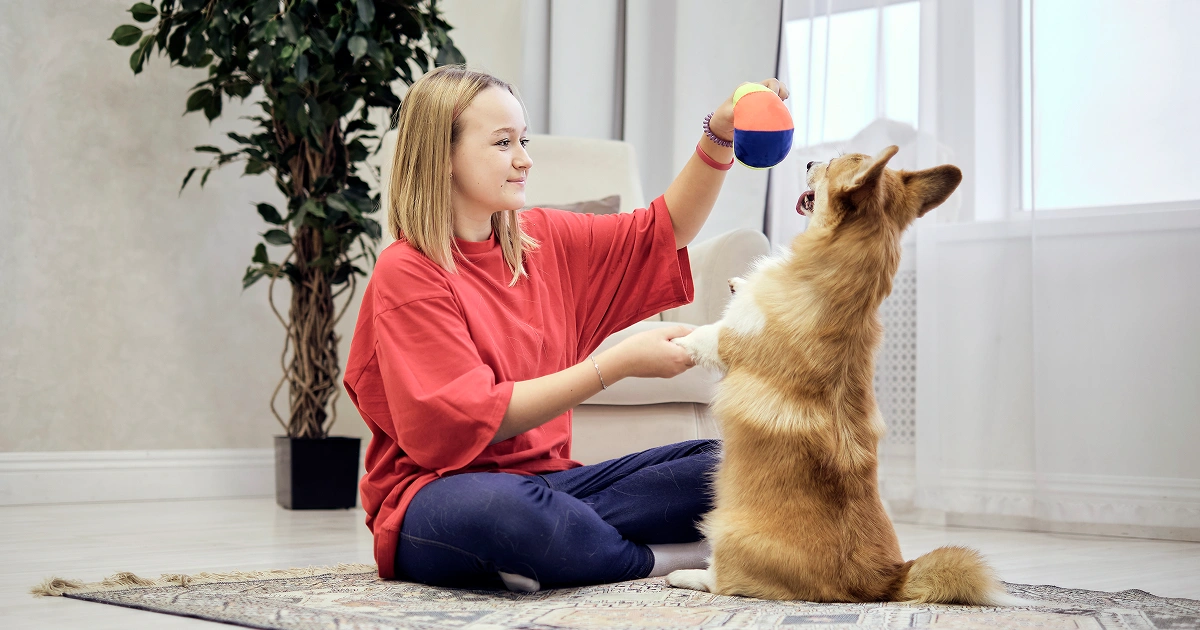

Enhancing Pet Training Through Enrichment Activities
Creating an engaging environment for your pet is an important part of effective training. Traditional training methods often concentrate almost entirely on obedience and commands. However, adding enrichment activities can make the experience more rewarding for both pets and their owners. These activities provide mental stimulation and physical exercise while strengthening the bond between you and your companion.
What exactly are enrichment activities? They are activities designed to support a pet’s overall well-being by engaging the mind and body in different ways. Common examples include:
- Puzzle toys: These toys challenge pets to solve a problem before gaining access to hidden treats. Brands such as Kong and Nina Ottosson offer a range of puzzles that can keep dogs and cats occupied while stimulating their minds.
- Agility courses: Creating an agility course in your backyard combines exercise with training and entertainment. Jumps, tunnels, and weave poles can help improve your pet’s coordination, concentration, and physical fitness.
- Interactive games: Games such as fetch and hide-and-seek encourage communication and cooperation between pets and their owners. Laser-pointer games for cats and tug-of-war for dogs can also add physical activity to training sessions.
- Scent work: Scent-based activities make use of a pet’s natural instincts. Creating a scavenger hunt with favorite treats around the house can provide entertainment while sharpening your pet’s sense of smell.
Adding these enrichment activities to your training routine can improve your pet’s skills while helping prevent boredom. They may also reduce behavioral problems such as anxiety and destructive behavior. This is particularly important for energetic breeds such as Border Collies and Australian Shepherds, which thrive in active and mentally stimulating environments.
Making a commitment to enriching your pet’s life is especially valuable in today’s fast-paced world. Exploring how these activities can fit into your training strategy creates more opportunities for enjoyment and fulfillment for both you and your pet. As you experiment with different forms of enrichment, you may find that training becomes more effective and enjoyable, supporting a healthier and happier companion.
DISCOVER MORE: Click here to learn about essential nutrition for your pet’s health.
Understanding the Importance of Enrichment Activities
Incorporating enrichment activities into pet training involves more than finding creative ways to teach commands. It creates a broader approach that supports your pet’s overall health and well-being. Dogs and cats are more likely to thrive when their physical and mental needs are consistently met. By enriching training sessions, owners can encourage happier, healthier pets while reducing behavioral issues caused by boredom or excess energy.
Imagine a dog spending the afternoon completing an agility course and working through a treat-filled puzzle toy. These experiences provide entertainment while directing energy toward constructive activities. Studies have shown that mental stimulation can reduce anxiety, stress, and destructive behavior. Activities that challenge a pet’s intelligence also allow them to use natural instincts such as hunting or herding, which can be deeply rewarding.
When deciding how to include enrichment activities in your training routine, it is useful to understand the different options available. The following strategies can easily become part of regular training sessions:
- Social interactions: Arranging playdates with other pets or joining group training classes provides valuable opportunities for socialization. These experiences help pets develop communication and cooperation skills that can benefit them in many situations.
- Nature walks: Turn an ordinary walk into an opportunity for exploration. Allow your dog to investigate different surfaces, follow new scents, and experience unfamiliar surroundings. This additional stimulation can improve training results.
- Clicker training: A clicker can be a useful tool for both verbal and nonverbal learning. It provides immediate feedback when a pet performs the desired behavior, helping maintain focus and motivation.
- Obstacle challenges: Simple household obstacles can make training more dynamic. Asking your pet to jump over pillows or crawl under tables encourages problem-solving. Changing the difficulty of each task helps maintain interest.
Owners should also consider their pet’s individual preferences when selecting enrichment activities. Not every animal enjoys the same experiences. A dog may prefer an energetic game of fetch, while a cat may be more interested in a toy mouse that imitates hunting. Understanding these preferences helps owners align their training goals with activities their pets genuinely enjoy.
Enriching training sessions goes far beyond basic obedience. It offers benefits that can improve many areas of a pet’s daily life. The right combination of activities can turn an ordinary training routine into a stimulating and enjoyable experience while strengthening the connection between pet and owner. As these activities become part of your routine, you and your pet may develop together in a healthier, happier, and more engaging environment.
Enhancing Pet Training With Enrichment Activities
Including enrichment activities in training sessions can strengthen the bond between pets and their owners while supporting cognitive development and better behavior. Stimulating tasks can improve how pets learn and influence their overall temperament.
| Category | Advantages |
|---|---|
| Cognitive Development | Enrichment activities stimulate the mind, supporting stronger learning and problem-solving skills. |
| Behavioral Modification | Interactive play can reduce boredom-related behaviors such as destructive chewing and excessive barking. |
| Physical Activity | Engaging exercises help pets maintain a healthy weight and may reduce the risk of disease. |
| Strengthened Bond | Shared enrichment activities encourage trust and improve communication between pets and their owners. |
With options such as puzzle toys, scent games, and agility exercises, owners can adapt training sessions to their pets’ specific needs. As these activities are introduced, pets may show greater enthusiasm and willingness to learn, creating a more rewarding training experience.
DIVE DEEPER: Click here to learn more.
Choosing the Right Enrichment Activities for Your Pet
Although the range of enrichment activities may seem extensive, successful training depends on understanding your pet’s personality, temperament, and individual needs. Choosing suitable activities keeps pets engaged and can make each training session more productive. Some breeds have particular learning styles or natural abilities that can be developed through carefully selected exercises.
Working breeds such as Border Collies and German Shepherds are highly intelligent and energetic. They often benefit from activities that challenge them physically and mentally. Advanced agility courses and scent work can make productive use of their natural abilities while preventing boredom. The American Veterinary Society of Animal Behavior emphasizes that these breeds may require more intensive mental and physical stimulation to remain balanced and content.
Smaller breeds such as Dachshunds and Chihuahuas may prefer less physically demanding activities. Interactive puzzles can be particularly effective. Puzzle feeders that require pets to work out how to reach a treat combine play, problem-solving, and rewards, all of which are valuable components of an effective training routine.
Utilizing Technology to Enhance Training
Technology can also contribute to more engaging pet training sessions. Pet-friendly applications designed to stimulate cognitive skills can introduce another interactive element. Apps that encourage pets to catch digital objects may appeal to owners interested in technology. Some applications also include tracking tools that help owners monitor progress and establish training goals.
Interactive cameras offer another useful option. These devices allow owners to monitor their dogs while they are alone and may provide features for delivering verbal feedback or treats remotely. They can help keep pets mentally engaged and reinforce positive behavior even when the owner is away.
Incorporating Seasonal and Thematic Activities
Seasonal changes provide excellent opportunities to introduce new enrichment activities. During the fall, owners can organize scavenger hunts involving fallen leaves or toys hidden around the yard. In winter, activities such as finding a hidden snowball or completing simple agility exercises in the snow can provide both entertainment and physical activity.
Holidays can also inspire themed training sessions. During summer, outdoor group sessions with other pets can turn routine practice into a more exciting social activity. Owners may also introduce seasonal rewards, such as pumpkin-flavored treats in October or heart-shaped toys in February.
- Mind-mapping activities: Intelligent pets may enjoy games that involve memory and reasoning. Owners can hide objects and guide pets toward them using specific cues.
- DIY enrichment toys: Homemade toys created from safe household materials can offer affordable, customizable challenges based on items already available.
- Training with music: Some studies suggest that music may help calm pets and improve the learning environment. Playing relaxing music during training can contribute to a more positive atmosphere.
As owners learn more about the variety of enrichment activities available, the potential benefits become increasingly clear. These exercises can strengthen the relationship between pets and their owners while making training more effective and enjoyable. Adopting this broader approach can transform routine lessons into rewarding experiences for both sides.
LEARN MORE: Click here to discover how preventive care can benefit your pet.
Conclusion
Incorporating enrichment activities into pet training sessions is more than an innovative trend. It represents a meaningful change in the way owners approach pet education. By recognizing the different personalities and needs of individual animals, owners can create experiences that support their overall well-being.
These activities stimulate the mind while deepening the relationship between pet and owner. High-energy breeds may benefit from a combination of physical challenges and cognitive games, while smaller dogs may respond better to interactive activities that exercise their problem-solving abilities.
Technology also introduces new possibilities through applications and interactive devices. Seasonal and holiday themes can make training more enjoyable while helping pets remain interested and motivated. Studies suggest that pets exposed to varied and stimulating activities often demonstrate better behavior and improved mental health.
The purpose of pet training extends beyond obedience. It should support a complete approach to creating a happy, healthy, and enriched life. By continuing to explore new activities, owners can challenge their pets’ abilities while providing a fulfilling environment. Turning routine training into a series of rewarding adventures can help both pets and owners enjoy a stronger and more satisfying relationship.