

Understanding Positive Reinforcement Training
The bond between dogs and humans is built on trust, communication, and mutual understanding. One of the most effective ways to strengthen that connection is through positive reinforcement training. Rather than punishing unwanted behavior, this approach focuses on rewarding dogs when they behave appropriately. By creating a supportive learning environment, owners and their dogs can enjoy a more positive training experience while developing a stronger relationship.
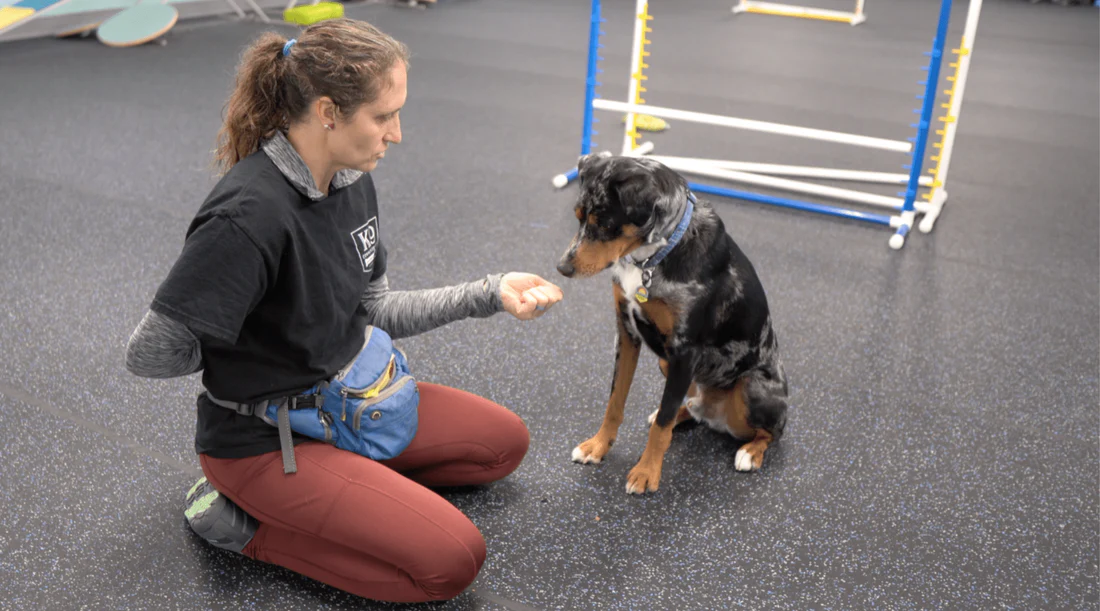
Rewards are a central part of positive reinforcement training. They may include treats, verbal praise, affection, toys, or playtime. For example, when a dog sits on command, immediately offering a treat and enthusiastic praise reinforces the action and increases the likelihood that the dog will repeat it. Toys can also be valuable incentives, such as allowing a dog to fetch a favorite ball after completing a successful training exercise.
Consistency is equally important. Owners should reward desired behaviors in the same way each time they occur. Whether a dog sits, stays, or comes when called, consistent reinforcement helps clarify exactly what is expected. Without consistency, the dog may struggle to understand which actions lead to a reward.
Timing also plays a critical role. Rewards should be given immediately after the desired behavior so the dog can clearly connect the action with the positive outcome. When a dog receives praise or a treat within seconds of sitting, it is more likely to understand that sitting triggered the reward.
Remarkable Benefits of Positive Reinforcement
Research consistently points to the many benefits of positive reinforcement training. One major advantage is reduced anxiety in dogs. Studies suggest that dogs trained with reward-based methods are less likely to display fear-related behavior, creating a calmer and more enjoyable training environment. A dog that is frightened by harsh corrections may become withdrawn or aggressive, while a dog trained positively is often more willing to participate.
Dogs trained through positive methods also tend to retain learned behaviors more effectively. Because commands and exercises are associated with enjoyable experiences, dogs are more likely to remember them over time. Positive experiences can support deeper learning and improve a dog’s ability to respond appropriately in everyday situations.
This training method also strengthens the relationship between a dog and its owner. As trust grows, dogs are generally more receptive to commands and more comfortable engaging with their owners. Community dog-training classes throughout the United States offer a clear example, bringing owners together to practice these techniques while sharing their progress and challenges in a supportive setting.
As more dog owners seek humane training solutions, understanding positive reinforcement techniques has become increasingly important. This approach supports effective learning while encouraging an affectionate, trusting relationship between dogs and their humans. Those interested in developing their skills further can explore training courses, books, and expert-led workshops for additional guidance.
Techniques of Positive Reinforcement Training
Understanding the different techniques used in positive reinforcement training can help owners create a productive learning environment for their dogs. Because this method rewards desirable actions, it can be adapted to suit different canine personalities and learning styles. Combining several techniques allows owners to build a training experience around their dog’s individual needs.
One of the most widely used methods is clicker training. This technique uses a small handheld device that produces a distinct clicking sound. The click marks the exact moment the dog performs the desired behavior. Immediately afterward, the owner provides a reward, such as a treat, praise, or playtime. This clear and immediate feedback helps the dog identify which action is being reinforced, often leading to faster learning and better retention.
Another effective technique is known as shaping. Shaping involves dividing a complex behavior into smaller, achievable steps and rewarding progress along the way rather than waiting for the final result. To teach a dog to roll over, for example, an owner might first reward the dog for lying down, then for moving onto its side, and finally for completing the full roll. This gradual process builds confidence and keeps the dog motivated.
Establishing a Reward System
A well-planned reward system is essential for successful positive reinforcement training. The following strategies can help owners use rewards effectively:
- Treat selection: Choose high-value treats that your dog genuinely enjoys. Stronger rewards can create clearer associations with desired behavior. Experiment with different choices, since some dogs may prefer soft treats while others enjoy crunchy ones.
- Praise and affection: Verbal encouragement and physical affection can be powerful motivators. Many dogs respond positively to an enthusiastic voice and gentle petting.
- Consistency in rewards: Reinforce the same behavior consistently to avoid confusing the dog. A predictable reward system provides a clear foundation for learning.
- Immediate timing: Give the reward as soon as the desired behavior occurs so the dog can connect the action with the positive response.
The training environment also affects how well a dog learns. Early sessions should take place in an area with minimal distractions. A calm, controlled setting makes it easier for the dog to focus on the task without becoming overwhelmed by surrounding activity. After the dog understands a command, distractions can be introduced gradually to strengthen the behavior in different situations.
As the dog becomes more reliable, owners can slowly reduce the frequency of treats and move toward intermittent rewards. This transition helps preserve motivation while ensuring that learned behaviors remain dependable in real-life situations.
By applying these techniques carefully, owners can create a positive reinforcement training program that improves their dog’s learning experience and strengthens their shared bond. Exploring different methods may also reveal valuable insights into how an individual dog responds, making training more rewarding for both owner and pet.
| Advantage | Details |
|---|---|
| Improved Behavior | Positive reinforcement encourages desirable actions through rewards, supporting lasting behavioral changes. |
| Stronger Bond | This training approach builds trust and effective communication, encouraging a healthier relationship between the dog and owner. |
The effectiveness of positive reinforcement in canine behavior training is difficult to overstate. Its influence extends beyond individual training sessions, improving both behavior and the relationship between pets and their owners. By emphasizing rewards rather than punishment, owners often notice that their dogs become more cooperative, responsive, and well-mannered.
Using treats, praise, or playtime as incentives creates a positive atmosphere and encourages dogs to participate actively in the learning process. Techniques such as clicker training demonstrate a clear connection between immediate reinforcement and observable behavioral improvements, leading many owners to explore reward-based methods more deeply.
Studies have also found that dogs trained through positive reinforcement often show less anxiety and fear, making the process less stressful for both the dog and the owner. Techniques such as target training and impulse-control exercises can produce promising results while establishing a strong foundation for further learning and behavior modification. These strategies offer valuable guidance for owners who want to train their dogs through trust and mutual respect.
Measuring the Effectiveness of Positive Reinforcement Training
As more owners adopt positive reinforcement training, an important question arises: how effective is it in producing measurable results? Both research and personal accounts point to highly positive outcomes. Reward-based methods not only improve a dog’s ability to learn commands but also encourage a more cooperative and trusting relationship between the dog and its owner.
Evaluating the effectiveness of this approach requires looking at behavior modification and emotional well-being. Numerous studies indicate that dogs trained with positive reinforcement display less anxiety and aggression than dogs trained with aversive techniques. This reduction in stress is significant because emotional stability supports healthier interactions with people and other animals.
Real-World Results
Experiences shared by dog owners further demonstrate the potential of positive reinforcement training. Many report substantial improvements in behaviors ranging from basic commands such as “sit” and “stay” to advanced skills such as navigating obstacles or participating in agility courses. As dogs master new tasks, their sense of achievement can increase their confidence, making the process rewarding for both pets and owners.
Research also suggests that reward-based training may support stronger long-term retention. A study published in Animal Cognition found that dogs trained with rewards remembered learned commands for longer periods than dogs trained through punishment. This finding highlights the practical value of positive reinforcement in everyday situations, particularly when dogs must respond despite distractions.
Building Lifelong Skills
Positive reinforcement training goes beyond basic obedience by helping dogs develop skills they can use throughout their lives. Rewarding calm behavior around distractions, for instance, can teach self-control and patience. These abilities contribute to a more peaceful household and help dogs behave appropriately in public places, reducing the likelihood of future behavioral problems.
Adding play and enjoyment to training sessions can also encourage a lasting interest in learning. Instead of feeling like a chore, training becomes an engaging activity that holds the dog’s attention. When dogs associate learning with positive experiences, they are more likely to approach new exercises with enthusiasm, creating a satisfying experience for both dog and owner.
Positive reinforcement can also be incorporated naturally into daily routines. Owners may reward a dog for remaining calm when guests arrive or for walking politely beside them on a leash. These small, consistent moments of reinforcement can improve behavior without requiring extensive additional effort. This flexibility makes positive reinforcement a practical training method for dog owners across the United States.
As ideas about dog training continue to evolve, the evidence supporting positive reinforcement remains compelling. This approach equips dogs with useful skills while supporting their emotional health, helping them thrive as valued members of the family.
Conclusion: The Power of Positive Reinforcement in Dog Training
The evidence and experiences surrounding positive reinforcement training show that it offers meaningful benefits for dogs and their owners. By rewarding desirable behavior, this approach improves a dog’s ability to learn while developing a relationship based on trust, communication, and respect.
Dogs trained through positive reinforcement often experience better emotional well-being, with lower levels of anxiety and aggression than those exposed to aversive techniques. A healthier emotional state can lead to more positive interactions with people and other animals while supporting a calmer home environment. The lessons learned also extend beyond obedience, helping dogs develop lasting qualities such as patience and self-control.
Fun and engaging training techniques turn learning into a rewarding experience and encourage dogs to participate willingly in their development. Because positive reinforcement can be incorporated into everyday activities, owners can consistently encourage good behavior and support long-term improvement.
As more owners explore humane training methods, positive reinforcement is likely to remain an important part of the conversation about effective dog training. The available evidence suggests that it produces not only well-trained dogs but also more confident and emotionally healthy companions. For owners seeking to strengthen their relationship with their pets and help them succeed as family members, positive reinforcement is a powerful approach worth exploring.