
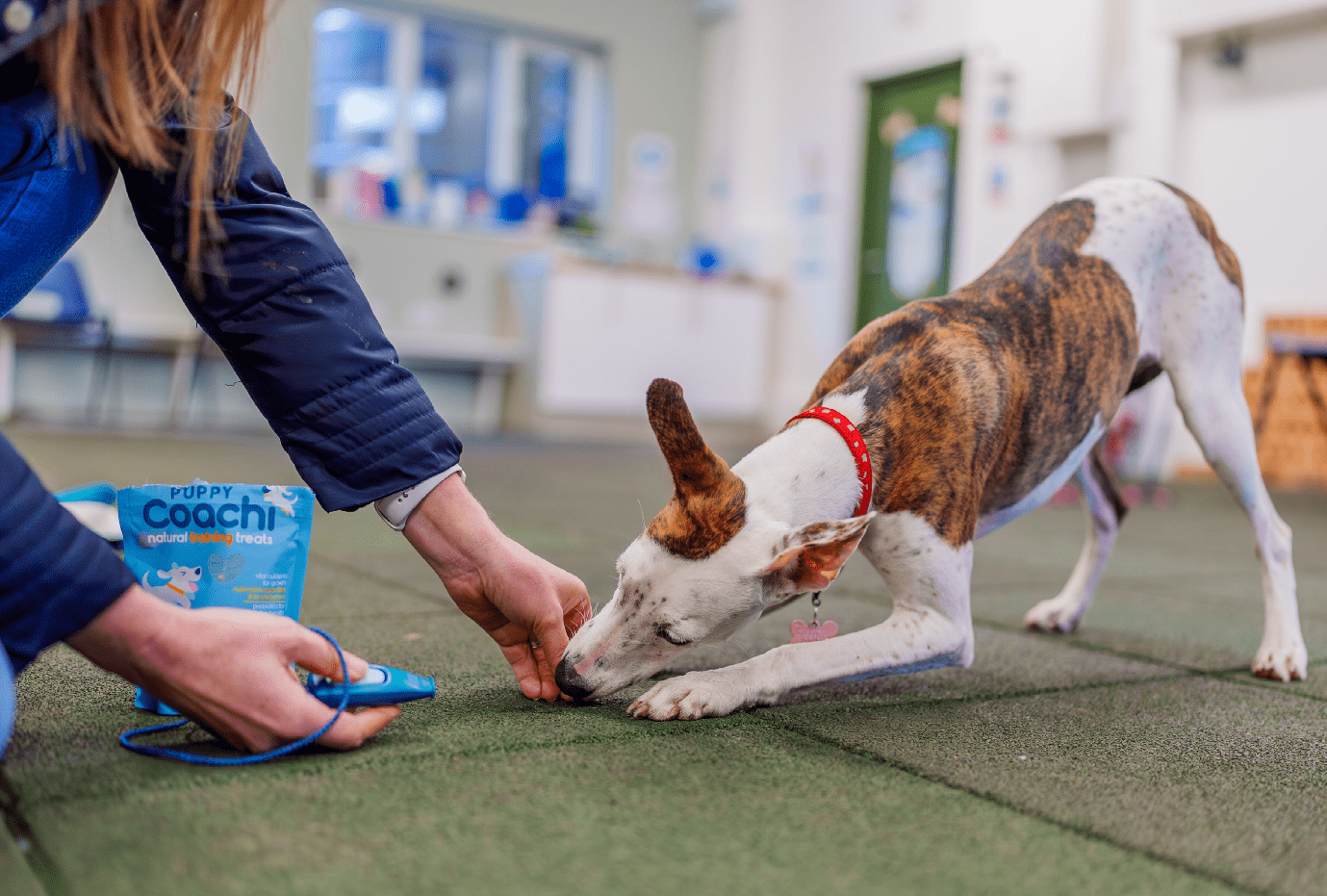

The Theory Behind Clicker Training
Clicker training is an engaging technique that has changed the way many pet owners approach animal education. Built around positive reinforcement, the method uses a small handheld device that produces a distinct clicking sound to mark successful behavior. This clear auditory signal helps pets connect a specific action with an upcoming reward, making the learning process easier to understand.
What Is Clicker Training?
Positive Reinforcement: At its core, clicker training rewards pets for displaying desired behaviors. Instead of punishing mistakes, trainers encourage appropriate actions by following the click with treats, praise, or play. Over time, pets learn that good behavior leads to positive outcomes.
Sound Association: The click acts as a bridge between the behavior and the reward. When a pet performs the correct action, the trainer clicks immediately and then provides a treat. With repetition, the animal begins to expect a reward after hearing the sound, which makes training more efficient.
Clear Communication: Clicker training creates a simple and consistent way for owners to communicate expectations. This clarity reduces confusion and helps pets learn commands and tricks more quickly.
The method is not limited to dogs. Cats can learn tricks such as giving a high five or using a litter box more reliably. Parrots may be taught to mimic words or perform acrobatic movements, while rabbits can learn to come when called. Understanding how clicker training works gives owners more opportunities to build cooperative and trusting relationships with their pets.
Benefits of Clicker Training
Improves Overall Obedience and Manners: One of the main advantages of clicker training is its ability to improve everyday behavior. Pets can learn commands such as “sit” and “stay” more efficiently, helping them become better-mannered companions.
Strengthens the Bond Between Pet and Owner: The interactive nature of the method encourages trust and cooperation. Training sessions can become enjoyable shared experiences that deepen the relationship between pets and their owners.
Supports Learning With Minimal Stress: Because clicker training does not rely on force or punishment, it creates a calmer learning environment. Pets feel more secure, which can support lasting behavioral improvements.
As more owners search for effective ways to encourage positive behavior, clicker training offers considerable potential. Pets can use the method to learn basic commands such as “come” and “lie down,” as well as more advanced tricks like rolling over or playing dead.
By adopting clicker training, owners and pets can enjoy a process that is productive, accessible, and rewarding. Its flexibility and proven effectiveness make it a useful training method for many types of pets in the United States and elsewhere.
DIVE DEEPER: Click here to learn more.
The Mechanisms of Effective Learning Through Clicker Training
Understanding the principles behind clicker training can help owners use the method more successfully. The technique is based on behaviorism, particularly the concept of operant conditioning.
This theory proposes that behaviors followed by reinforcement are more likely to occur again, while behaviors that receive no reinforcement tend to become less frequent. The clicker turns that concept into a practical training tool.
How Clicker Training Works
Immediate Feedback: The click provides instant feedback. When a pet performs the desired behavior, the trainer clicks at that exact moment, marking the action clearly in the animal’s mind. This immediacy strengthens the connection between the behavior and the reward more effectively than verbal cues alone.
Timing Is Everything: Precise timing is essential. The click should occur within a fraction of a second after the behavior so the pet understands exactly which action earned the reward. This accuracy distinguishes clicker training from methods that depend more heavily on spoken commands or physical correction.
Gradual Shaping: Trainers can develop complex behaviors through a process known as shaping, which rewards small steps toward the final action. When teaching a dog to roll over, for example, the trainer might first click when the dog lies down, then when it begins turning its body, and finally when it completes the full roll.
Clicker training is effective with different species and can address a wide range of behaviors. Owners frequently report improvements in how their pets respond to commands. The method may also help with common behavioral concerns such as excessive barking, jumping, and anxiety-related reactions.
In some cases, dog trainers observe noticeable progress within only a few sessions.
The Science of Behavior Transformation
The benefits of clicker training extend beyond obedience. Positive reinforcement methods can also support a pet’s emotional and psychological well-being.
Studies indicate that animals trained through positive reinforcement may experience lower stress levels, improved mood, and healthier social behavior. These benefits are partly connected to the enjoyable nature of the sessions, which can create a sense of achievement for both pet and owner.
Clicker training also encourages active participation. Pets become more engaged with their trainers and more motivated to understand what is expected of them.
This involvement contributes to behavioral development while strengthening the bond between owner and pet. As a result, time spent training becomes more enjoyable and meaningful.
Clicker training continues to grow in popularity, particularly in urban areas of the United States where many pets live in apartments or smaller homes. Trainers and behaviorists often recommend the method because it is adaptable, structured, and effective.
Whether used with an energetic puppy or a more independent cat, clicker training provides a practical and enjoyable way to encourage desirable behavior.
| Advantage | Description |
|---|---|
| Enhanced Communication | Clicker training creates a clear communication system between pets and owners, allowing desired behaviors to be marked and rewarded accurately. |
| Immediate Positive Feedback | The clicking sound identifies correct behavior immediately, increasing the likelihood that the pet will repeat it. |
Clicker training offers several advantages over more traditional methods. Clear communication is one of the most important. Each click tells the pet exactly when it has performed the correct action, making expectations easier to understand.
The method also provides immediate positive feedback. When the sound is followed by a treat, praise, or play, it creates a supportive learning environment and strengthens the bond between pet and owner.
Clicker training is not simply a structured routine. It also encourages emotional connection and makes learning more enjoyable for both the animal and the trainer.
Its usefulness extends beyond basic commands. The method can shape more complex behaviors and help reduce behavioral problems, making it a practical choice for owners who want to raise confident and well-adjusted pets.
By continuing to engage with pets through this approach, owners can support their development and build more harmonious relationships.
LEARN MORE: Click here to discover the importance of regular check-ups.
Enhancing Communication and Trust Through Clicker Training
One of the most meaningful effects of clicker training is its ability to improve communication between pets and their owners.
The technique goes beyond traditional instruction by creating a clear and consistent dialogue. The click becomes a bridge between the behavior and the reward, helping pets understand expectations while gaining confidence and becoming more willing to participate.
Building a Vocabulary: Clicks as Communication Tools
The clicker’s distinctive sound becomes a form of vocabulary. It tells pets that they have performed the correct action without ambiguity.
Spoken commands can sometimes be misunderstood because of changes in tone or emphasis. The click, however, remains consistent and clearly marks success. This clarity can make training more effective while reducing frustration for both pets and owners.
Research suggests that pets trained with positive reinforcement methods may also develop stronger problem-solving abilities. Dogs trained with clickers, for example, may complete tasks or navigate obstacles more effectively than animals trained through traditional approaches.
This improvement may result from their increased engagement and willingness to explore different solutions, demonstrating the connection between communication, behavior, and learning.
Strengthening the Bond Through Positive Interaction
Clicker training creates a reliable method of communication while also strengthening the relationship between pets and their owners.
Each session can function as a form of shared play, encouraging positive interaction and enjoyment. This emotional connection is especially important when working toward behavioral change because pets that feel safe and secure are generally more receptive to learning.
Studies also indicate that animals trained with positive reinforcement may interact more successfully with other pets, not just with their owners.
This benefit is particularly relevant in urban environments, where pets often encounter other animals in parks, neighborhoods, and shared spaces. Cities such as New York and Los Angeles have seen an increase in dog parks and community training programs that use clicker training to encourage better social behavior.
Applications Beyond Basic Commands
Clicker training is often associated with commands such as “sit,” “stay,” and “come,” but it can also address more complex behavioral concerns.
Owners may use the method to reduce anxiety in rescue pets or manage aggression linked to fear. By rewarding even small improvements, trainers can encourage calm responses and create a foundation for broader behavioral change.
Addressing Anxiety: For pets experiencing separation anxiety, clicker training can provide structure. Gradual desensitization combined with positive reinforcement may improve the animal’s ability to cope with stress.
Managing Aggression: Clicker training may also help modify aggressive behavior through controlled desensitization exercises. This allows owners to work on impulse control while rewarding calmer responses.
The adaptability of clicker training demonstrates its value across a variety of behavioral challenges. It can improve basic obedience while also supporting long-term behavioral change, which is why many trainers and behaviorists rely on it.
As the method becomes more widely used across the United States, owners are encouraged to explore its many benefits. Clicker training can enrich a pet’s life, strengthen the owner-pet relationship, and turn training from a frustrating obligation into a rewarding shared activity.
LEARN MORE: Click here for insights on nutritional supplements for your pets.
Conclusion: The Lasting Impact of Clicker Training on Pet Behavior
Clicker training is an effective approach that improves communication between owners and their pets while strengthening their emotional connection.
By using a clear clicking sound to mark behavior, the method reduces ambiguity, limits frustration, and encourages active participation. The supportive environment created during training promotes obedience while also giving pets opportunities to develop problem-solving skills without unnecessary stress.
The method’s flexibility extends well beyond basic commands. It can be applied to more complicated behavioral concerns, including anxiety and fear-based aggression.
This versatility makes clicker training particularly valuable for pet owners in busy urban environments, where successful socialization and behavioral control are especially important.
Through positive reinforcement and gradual desensitization, owners can address training challenges more confidently and help their pets become calmer, better-adjusted companions.
As pet ownership continues to grow, interest in positive reinforcement techniques such as clicker training is likely to increase. The method improves behavior while also enhancing the quality of the human-animal relationship.
By exploring clicker training and applying it consistently, owners can discover its many benefits and create a more positive, cooperative, and enjoyable learning experience for their pets.