
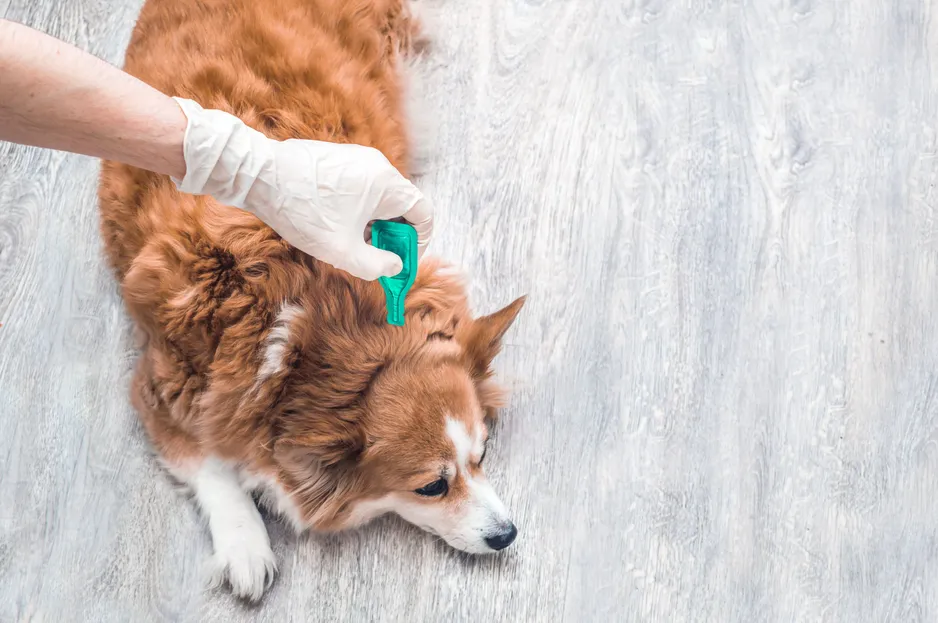

The Importance of Parasite Prevention for Your Pet’s Well-Being
Many pet owners devote considerable attention to proper nutrition and regular exercise, but parasite prevention is just as important for maintaining a pet’s health. Parasites range from external pests such as fleas and ticks to internal threats like intestinal worms. Each can cause serious health complications, making consistent parasite control an essential part of responsible pet care.
Common parasites can affect pets in several ways:
Fleas: These tiny parasites cause persistent itching and scratching and may trigger flea allergy dermatitis. This allergic reaction can lead to severe skin irritation, hair loss, and secondary bacterial infections. Flea infestations may also spread throughout the home, creating an uncomfortable environment for pets and their owners.
Ticks: Ticks are more than a nuisance. They can transmit serious illnesses such as Lyme disease and Rocky Mountain spotted fever. Pets with untreated Lyme disease may develop lethargy, swollen joints, and kidney problems. In regions such as the Northeastern United States, where Lyme disease is common, checking pets for ticks after outdoor activities is especially important.
Intestinal worms: Roundworms, tapeworms, and hookworms can cause anemia, weight loss, and malnutrition. Routine deworming is particularly important for puppies and kittens because young animals can become seriously ill very quickly.
Preventive care helps pets remain comfortable and may contribute to a longer, healthier life. Regular veterinary examinations are essential because they allow for timely screenings and recommendations based on the animal’s lifestyle and risk factors. Topical flea and tick treatments, oral medications, and dewormers are all important parts of a comprehensive parasite prevention plan.
Keeping the home clean can also reduce exposure. Frequent vacuuming and regularly washing pet bedding help interrupt parasite life cycles and lower the risk of infestation.
Effective parasite control protects pets while creating a healthier and more comfortable home. By learning about common risks and taking preventive action, owners can help their companions remain free from parasites and enjoy a happier life together.
LEARN MORE: Click here for insights on puppy socialization.
Understanding the Risks of Parasites
Parasites can seriously damage a pet’s health, often causing problems that remain unnoticed until the condition becomes severe. Understanding these risks allows owners to act early and protect their animals from preventable illnesses.
Several common parasites can affect pets:
Heartworms: Spread through mosquito bites, heartworms are among the most dangerous parasites pets can contract. Without treatment, heartworm disease can cause severe lung damage, heart failure, and death. Regular testing and preventive medication are essential, particularly in warm climates where mosquitoes are more active.
Ear mites: These microscopic parasites commonly affect dogs and cats, causing intense itching and secondary infections. Ear mites reproduce quickly and may lead to inflammation, wax buildup, and serious hearing problems when left untreated. Regular ear checks can help detect an infestation before it becomes severe.
Giardia: Giardia is a protozoan parasite found in contaminated water. It may cause diarrhea, vomiting, and weight loss. Pets that frequently interact with other animals may face greater exposure. Providing clean drinking water and monitoring sudden digestive changes can help reduce the risk.
Hookworms: Once ingested, hookworms attach themselves to the intestinal lining and may cause anemia and nutrient deficiencies. Young and vulnerable pets are particularly at risk. Routine fecal examinations can detect these parasites early, making regular deworming an important part of preventive care.
A comprehensive parasite prevention strategy protects more than the pet alone. Some parasites and infections can also affect humans, especially young children and older family members. Keeping animals parasite-free therefore contributes to a healthier household.
Regular veterinary visits allow pets to receive appropriate screenings, vaccinations, and preventive treatments. A veterinarian can recommend products based on the pet’s breed, age, lifestyle, and level of exposure.
Preventive steps at home are also valuable. Regular grooming, good hygiene, and clean living spaces can significantly reduce the chance of infestation.
Understanding parasite-related risks and responding proactively supports better overall health, allowing pets to enjoy longer and more comfortable lives.
| Advantage | Explanation |
|---|---|
| Enhanced Lifespan | Regular parasite prevention may extend a pet’s life by reducing the risk of parasite-related diseases. |
| Improved Quality of Life | Preventive care helps preserve comfort, energy, and overall well-being. |
Parasites are not simply inconvenient. They can cause serious problems such as anemia, digestive disorders, and severe fatigue.
Regular deworming and flea control reduce these risks and may help pets live longer, healthier lives. Preventive care also improves quality of life. Animals free from parasites are more likely to have healthy appetites, higher energy levels, and greater overall vitality.
Symptoms such as constant scratching, lethargy, and gastrointestinal discomfort can prevent pets from enjoying everyday activities. Consistent parasite prevention allows them to remain active and comfortable, which also improves life for their owners.
DISCOVER MORE: Click here to enhance your pet’s learning.
The Impact of Parasite Prevention on Long-Term Health
Parasite prevention does more than protect pets from immediate irritation. It also plays an essential role in preserving their long-term health.
Parasites can drain nutrients and contribute to chronic medical problems that reduce an animal’s quality of life. Understanding these long-term consequences helps owners appreciate the importance of consistent prevention.
Fleas, for example, are often dismissed as minor pests. However, repeated bites can lead to skin infections caused by excessive scratching. Some animals may also develop allergic reactions or anemia, especially when they are young, ill, or heavily infested.
Fleas can also carry tapeworms. A strong flea prevention strategy therefore protects pets from irritation while reducing the risk of additional health complications.
The connection between parasites and other medical problems can be complex. Roundworms are particularly dangerous for puppies and kittens because infestations may interfere with proper growth and development.
Beginning regular deworming at an early age helps young animals remain healthy and develop normally, supporting a more active and resilient life.
Maintaining a parasite-free environment also protects human family members. Ticks can transmit Lyme disease and Rocky Mountain spotted fever to both animals and people. These illnesses may cause serious, long-term complications when they are not treated promptly.
Protecting pets from ticks through appropriate preventive treatments also reduces health risks within the household.
Parasite prevention should include lifestyle choices as well as medication. Limiting contact with wild animals and avoiding locations with heavy parasite activity can lower exposure. Choosing safer walking areas and exercising caution in pet parks can allow animals to remain active without creating unnecessary health risks.
Regular veterinary examinations ensure that preventive measures remain suited to the pet’s individual needs. Veterinarians can assess current health, lifestyle, and exposure risks before adjusting treatments when necessary.
Annual health checks can also identify early signs of infection and help owners maintain an effective prevention plan.
Nutrition contributes to parasite resistance as well. A balanced diet made with high-quality food supports immune function, helping pets respond more effectively to health challenges, including parasitic infections.
By prioritizing parasite prevention, owners support a healthier future for their pets. A proactive approach improves quality of life while creating a safer environment for animals and their families.
DIVE DEEPER: Click here to dive deeper.
Conclusion
Parasite prevention is not optional. It is an essential part of maintaining a pet’s health, comfort, and longevity.
Fleas, ticks, heartworms, and intestinal parasites can cause both immediate discomfort and lasting medical complications. A comprehensive prevention strategy allows owners to protect their pets before these threats become serious.
Regular veterinary examinations, appropriate preventive medications, vaccinations, and responsible lifestyle choices provide a strong foundation for long-term health. High-quality nutrition further supports the immune system, helping pets remain more resilient.
Keeping pets free from parasites also contributes to a healthier household by reducing the risk of infections that may affect human family members.
Preventive care demonstrates a lasting commitment to an animal’s well-being. By taking these measures seriously, owners can give their pets the comfort, energy, and protection they need to thrive while enjoying many more happy moments together.