
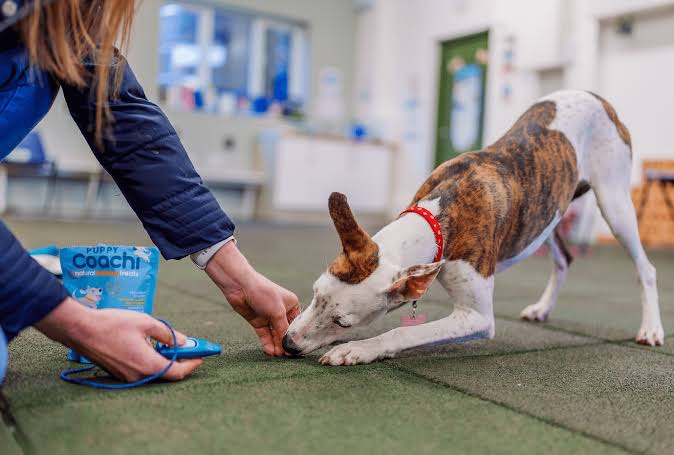

Enhancing Your Pet’s Learning Through Clicker Training
Imagine turning your pet’s training into an enjoyable and engaging experience. Clicker training uses a simple but effective tool: a small handheld device that produces a distinct clicking sound. This technique has become increasingly popular among pet owners across the United States because it offers a clear way to improve behavior and strengthen communication between pets and their owners.
How does clicker training work? Its main elements include:
- Positive reinforcement: Clicker training relies on rewards such as treats, toys, or affection to encourage desirable behavior. When teaching a dog to sit, for example, the owner clicks the device the moment the dog’s bottom touches the floor, then immediately provides a treat. This association makes the dog more likely to repeat the behavior.
- Clear communication: The clicking sound marks the exact moment your pet performs the desired action. This immediate feedback helps the animal connect the behavior with the reward, which can speed up the learning process.
- Consistency: As with any training method, consistency is essential. Using the clicker every time your pet performs the correct behavior helps reinforce the connection. If you click only occasionally when your dog retrieves a toy, the animal may become unsure about what is being rewarded.
Clicker training can do more than teach basic commands. It can also improve your pet’s confidence and problem-solving skills. Cats, for example, can learn tricks or complete puzzle-based activities that appeal to their hunting instincts. These exercises provide mental stimulation and may help reduce anxiety.
The technique can also be used with many different animals, including birds, rabbits, and pigs, making it a highly versatile training tool.
One notable example involves a rescue dog named Max, who struggled with anxiety and behavioral problems. His owner devoted time to clicker training, gradually teaching basic commands and building his confidence. Within a few months, Max changed from a timid animal into a cheerful, well-behaved companion. His story demonstrates both the potential of clicker training and its ability to strengthen the relationship between pets and their owners.
The following sections explore the techniques and benefits of clicker training in greater detail. Whether you are a first-time pet owner or an experienced trainer, this method offers a more interactive way to support your pet’s learning while building trust.
DIVE DEEPER: Click here to discover more.
Understanding the Mechanics of Clicker Training
To fully understand the benefits of clicker training, it helps to examine how the technique works. The method is based on principles of behaviorism, particularly operant conditioning. This concept suggests that behavior can be shaped through rewards and consequences, which is where the clicker becomes useful.
The click provides immediate feedback and creates a clear link between the behavior and the reward. It tells your pet precisely which action earned the positive response.
Because this feedback is delivered so quickly, animals may learn faster than they would through traditional training methods. They can more easily understand what is expected of them and which behaviors they should repeat.
Key Benefits of Clicker Training
Clicker training offers several advantages beyond teaching basic commands:
- Encourages focus and attention: Pets learn to listen for the click and connect it with their actions. This increased concentration supports training and can strengthen the bond between pet and owner.
- Promotes positive relationships: Animals trained through positive reinforcement often develop greater trust in their owners. Rewarding appropriate behavior creates a supportive environment in which pets feel secure.
- Works across different species: Clicker training can be adapted for dogs, cats, birds, and even exotic pets. Its flexibility allows owners to adjust the method to suit the needs of different animals.
- Strengthens mental skills: Clicker-based exercises encourage problem-solving, critical thinking, and cognitive development. Teaching a cat to complete an obstacle course or a parrot to imitate sounds can provide both mental stimulation and entertainment.
Clicker training can also create a strong sense of accomplishment for both the pet and the owner. Each successful interaction reinforces positive behavior and contributes to a happier home environment.
As you continue training, you may notice improvements in your pet’s behavior, responsiveness, and overall attitude. The next sections explain how to apply clicker training through practical exercises suited to different animals and training goals.
| Advantage | Description |
|---|---|
| Positive Reinforcement | Clicker training uses rewards to make learning enjoyable and motivating for pets. |
| Improved Communication | The click provides a clear signal that helps pets understand which behavior is being rewarded. |
| Accelerated Learning | Pets may learn new commands and tricks more quickly, making training more efficient. |
| Builds Trust | Clicker training encourages teamwork and strengthens trust between pets and their owners. |
Training a pet can be highly rewarding, especially when using a method such as clicker training. Because it is based on positive reinforcement, pets are often more willing to participate and more likely to remember what they learn.
The clicker also improves communication between owner and animal, creating a clearer and more cooperative training experience. Another important benefit is the potential for faster learning. Pets can connect commands and behaviors with rewards more efficiently, making sessions both productive and enjoyable.
As owners use clicker training consistently, they also build trust. Pets feel more secure and motivated, opening the door to new learning opportunities and turning everyday interactions into chances for growth.
LEARN MORE: Click here to discover the benefits of virtual training for your pet.
Implementing Clicker Training Techniques
Once you understand the basic principles and benefits of clicker training, the next step is to apply the technique effectively. A structured approach can improve results while making training enjoyable for both you and your pet.
Establishing a Training Session
The training environment plays an important role in your pet’s ability to learn. Choose a quiet area with minimal distractions, such as a calm room or an enclosed outdoor space.
Your pet should be relaxed and receptive rather than overly excited or anxious. Sessions generally work best when they last between 5 and 15 minutes. Short, regular practice periods provide reinforcement without overwhelming the animal.
Choosing the Right Clicker and Treats
Selecting an appropriate clicker is an important part of the process. A handheld device designed specifically for animal training produces a sound that is clear and easy for pets to recognize.
The clicker should be paired with high-value treats that your pet genuinely enjoys. Dogs may respond well to small pieces of chicken or cheese, while cats may prefer treats with a stronger fish scent.
Experiment with different options to determine which rewards best motivate your pet and reinforce behavior effectively.
Starting With Basic Commands
Begin with simple commands such as “sit,” “stay,” or “come.” To teach your pet to sit:
- Hold a treat close to your pet’s nose.
- Slowly move the treat upward, encouraging the pet to sit naturally.
- The moment your pet’s bottom touches the floor, click the device and immediately provide the treat.
This immediate feedback creates a direct link between the behavior and the reward. Repeat the exercise consistently. Once your pet clearly associates the action with the click and treat, begin adding the verbal command.
Gradually Building Complexity
After your pet has learned basic commands, you can introduce more advanced behaviors such as “roll over” or “play dead.”
Break each trick into smaller, manageable steps and click whenever your pet completes part of the behavior correctly. To teach “roll over,” for example, first reward the pet for lying down, then for turning onto its side, and finally for completing the full roll.
With patience and repetition, your pet can learn to perform the entire sequence.
Addressing Behavioral Issues
Clicker training can also help correct unwanted behavior. If a dog barks excessively, for instance, the owner can click and reward moments of quiet behavior.
By reinforcing calmness rather than punishing barking, the owner redirects the dog’s attention and encourages a more desirable response. This approach can reduce behavioral problems while helping the pet develop better habits.
Successful clicker training depends on patience and consistency. Every pet learns at a different pace, and the process can be just as meaningful as the final result.
By making clicker training part of your routine, you can improve your pet’s learning experience while strengthening the bond you share through positive interactions and shared achievements.
LEARN MORE: Click here for essential insights.
Conclusion
Clicker training offers a positive and effective approach to pet education. By using a distinct clicking sound to provide immediate feedback, owners can clearly communicate which behaviors they want their pets to repeat.
Whether the goal is to teach basic commands, introduce new tricks, or address behavioral issues, clicker training can create a reliable path toward progress.
The time and effort devoted to this method can improve your pet’s skills while deepening the bond between you. Training becomes an enjoyable shared activity rather than a frustrating task, encouraging trust and cooperation.
Regular practice also provides valuable mental stimulation, helping pets remain interested, active, and content.
Every animal learns at its own pace, so patience and consistency remain essential. A training routine should fit naturally into your lifestyle while staying enjoyable and rewarding for your pet.
Books, online communities, and other training resources can provide additional guidance and techniques. As you continue exploring clicker training, you may find that its greatest benefit is not simply a better-trained pet, but the meaningful moments that help create a lifelong bond.