
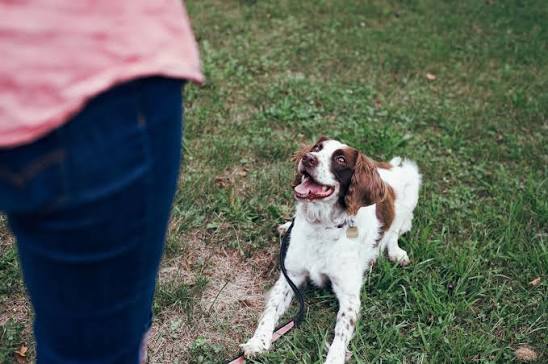

Enhancing Dog Training with Behavioral Insights
Training a dog can sometimes feel like an uphill struggle. However, understanding behavioral insights can completely change the way you approach the process. By applying research-backed strategies, you can create a more effective training experience that improves obedience while strengthening the bond between you and your dog.
Several key behavioral insights can influence the success of dog training:
- Reward-based methods: Positive reinforcement consistently produces better results. Instead of punishing unwanted behavior, rewarding your dog for responding correctly encourages them to repeat the action. For example, offering a treat or affection when your dog sits on command reinforces the behavior. Studies have shown that dogs trained with positive reinforcement tend to be more enthusiastic and engaged, which can help them learn more quickly.
- Timing matters: Immediate rewards help strengthen desired behaviors. Dogs rely on clear feedback, so the sooner they receive a reward after performing an action, the easier it is for them to make the connection. If you are teaching your dog to fetch, for instance, rewarding them as soon as they return the ball reinforces the association between fetching and receiving praise or a treat.
- Understanding body language: Dogs are highly sensitive to human emotions and nonverbal cues. Your posture, facial expression, and tone of voice can either clarify instructions or make the training experience confusing. An upbeat tone and relaxed, open posture may encourage your dog, while crossed arms and a stern expression can make them nervous or hesitant. Recognizing how your body language affects your dog can greatly improve training effectiveness.
Applying these strategies not only develops your dog’s skills but also improves communication between you. Pairing verbal commands with consistent gestures, for example, can make instructions easier to understand. When the word “sit” is always accompanied by the same hand signal, your dog can learn to associate both cues with the expected behavior.
Understanding the psychology behind canine behavior also allows trainers to anticipate reactions and adapt their methods. Factors such as breed tendencies and developmental stages can have a considerable effect on learning. A high-energy Border Collie, for example, may require more physical stimulation and frequent interaction than a calmer breed such as a Bulldog.
As we explore these behavioral insight-based strategies in greater detail, you will discover practical techniques that can make training more enjoyable for both you and your dog. Short sessions that include play, curiosity, and variety can hold your dog’s attention while preparing them for a lifetime of positive behavior. By applying effective dog training methods, you can help your companion learn, grow, and strengthen their connection with you.
DISCOVER MORE: Click here to uncover the role of environment in pet behavior
Understanding the Core of Canine Learning
Effective dog training begins with understanding how dogs learn. This knowledge allows pet owners to create a training routine that is both structured and enjoyable. Incorporating behavioral insights into everyday interactions can speed up the learning process and improve your dog’s response to commands.
One of the most important principles of dog training is consistency. Dogs learn best when they can predict the outcome of their actions. During training, use the same verbal commands and hand signals whenever you request a particular behavior.
For example, consistently saying “stay” while demonstrating the desired action helps your dog connect the word with the behavior. Changing commands or signals may confuse them, creating frustration for both the dog and the trainer.
- Break tasks into manageable steps: Dogs learn more effectively when instructions are divided into small, achievable actions. Rather than expecting your dog to complete an entire sequence immediately, concentrate on one step at a time. Before asking your dog to sit, for example, make sure they understand how to position their body correctly. You can then build gradually on each successful step.
- Use varied rewards: Repeating the same treat or type of praise may eventually reduce your dog’s interest. Keep training engaging by alternating between toys, verbal praise, treats, and physical affection. Variety helps maintain attention while reinforcing good behavior in different ways.
- Encourage engagement through play: Adding playful activities to training sessions can increase motivation. Many dogs respond especially well when learning feels enjoyable. You might throw a ball after your dog follows a command or incorporate playful movements into the session. These activities help your dog associate training with a positive experience.
Recognizing that dogs have different learning styles can also improve training results. Some dogs are visual learners and respond more readily to hand gestures, while others may understand auditory cues more easily. Observing your dog’s reactions and adjusting your methods accordingly can make training faster and more meaningful.
Each dog also has a unique temperament and energy level. Active breeds such as Retrievers and Terriers often need more physical stimulation, while calmer breeds may respond better to relaxed sessions. Applying behavioral insights to your dog’s individual needs can significantly improve the effectiveness of your training approach.
As we continue exploring these strategies, you will learn how to personalize training sessions and build a stronger relationship with your canine companion. Understanding what motivates your dog and responding to their emotional needs creates a solid foundation for successful training.
| Strategy | Benefits |
|---|---|
| Positive Reinforcement | Building Trust: Strengthens the relationship between dog and trainer by rewarding desirable behavior, increasing motivation to learn. |
| Behavior Shaping | Progressive Learning: Encourages gradual improvement by rewarding successive steps toward the desired behavior, making training more effective. |
Applying behavioral insights to dog training creates more efficient learning methods and supports lasting results through research-backed strategies. Positive reinforcement, for instance, focuses on rewarding good behavior, which can improve a dog’s responsiveness and willingness to participate. Dogs are more likely to repeat actions that produce positive outcomes, increasing the chances of success during training sessions.
Behavior shaping allows trainers to reward gradual progress instead of expecting immediate perfection. This approach makes training more enjoyable for both the dog and the trainer because it acknowledges small improvements along the way.
Together, these behavioral strategies can create a more engaging and productive learning environment. By understanding the principles behind canine behavior, trainers can adapt their methods to suit each dog’s individual needs. This personalized approach improves communication, obedience, and behavior in a variety of situations.
By refining training techniques, owners can achieve better results and help their dogs thrive in a supportive, well-structured environment.
DISCOVER MORE: Click here to learn about the importance of socialization for your cat
Tailoring Training Approaches for Optimal Results
As we examine behavioral insight-based dog training strategies more closely, it is important to recognize the role of the environment. Dogs are strongly influenced by their surroundings, and adjusting the training space can lead to noticeable improvements in behavior.
A positive learning environment with minimal distractions allows a dog to concentrate more effectively. This may involve choosing a quiet room inside the home or using a spacious outdoor area without unnecessary disturbances.
The timing of rewards is equally important. Giving your dog a reward immediately after they perform the desired behavior creates a clear connection between the action and its outcome. Delayed reinforcement can weaken this association and cause confusion.
For example, when teaching your dog that sitting earns a treat, provide the reward within seconds of the behavior. This helps reinforce the lesson and encourages your dog to repeat the action.
- Implement training cues precisely: Consistency should apply to body language as well as verbal commands. Research shows that dogs are highly capable of interpreting human emotions and movements. Using a clear hand gesture for a command such as “sit” can improve your dog’s ability to understand visual cues. Combining verbal and nonverbal signals may also strengthen comprehension and memory.
- Use social learning: Dogs are naturally social animals and can learn by observing other dogs. Training classes give them opportunities to watch and imitate their peers. This form of social learning may increase confidence and accelerate progress, particularly among sociable breeds such as Beagles and Poodles.
- Introduce new situations gradually: Behavioral insights also highlight the value of controlled exposure to unfamiliar environments and experiences. Slowly introducing your dog to different people, sounds, animals, and surroundings can build confidence. Taking a dog directly into a busy park, for example, may feel overwhelming. Gradual exposure helps them become more adaptable and responsive.
Positive reinforcement remains another essential part of effective dog training. Behavioral science strongly supports rewarding desired actions rather than punishing unwanted ones. This approach promotes trust and makes dogs more likely to repeat positive behaviors.
Rewards can include treats, toys, enthusiastic praise, or affection. Using different forms of positive reinforcement helps maintain motivation and engagement throughout the training process.
Mental stimulation is also important. Interactive toys, puzzles, and obedience challenges provide both mental and physical activity. These tools can reduce boredom and serve as enjoyable rewards after training sessions, reinforcing learning through play.
The relationship you develop with your dog directly affects their ability to learn. Mutual respect and understanding create an environment in which training can succeed. As you apply these behavioral insights, notice how they improve not only your dog’s skills but also the bond you share, making the training process more rewarding for both of you.
DIVE DEEPER: Click here to learn more
Conclusion: Unlocking the Potential of Your Canine Companion
Behavioral insight-based dog training strategies can transform the training process by helping owners understand their dog’s psychology and environment. A positive learning atmosphere allows dogs to develop the communication and obedience skills they need to succeed.
Timing also plays an essential role. Reinforcing a behavior immediately creates a clear connection between the action and the reward, helping your dog feel confident and secure during training.
Using precise cues and providing opportunities for social learning can further improve the experience. Dogs naturally respond to members of their social groups, so observing other dogs can become a valuable learning tool. When combined with gradual exposure to new situations, these strategies help build confidence and adaptability.
Positive reinforcement and mental stimulation should not be overlooked. Rewarding desirable behavior and introducing interactive challenges keep dogs interested while strengthening the bond between pet and owner. These activities can enrich the lives of both dogs and the people who care for them.
Ultimately, training involves more than teaching commands. It is about creating a cooperative relationship based on communication and understanding. By applying these behavioral insights, you can improve your dog’s abilities while making your shared experiences more rewarding.
Dog training involves many different challenges, but with knowledge, consistency, and dedication, each one can become an opportunity to develop a happier, more confident, and well-trained companion.