

Traditional Training Methods
Traditional cat training methods often rely on authority-based techniques designed to control feline behavior. Owners who use these approaches may begin with basic command training, teaching cues such as “sit” or “stay” through repetition. Because cats are generally less inclined than dogs to follow commands, this process requires patience and consistency. When progress is slow, both the owner and the cat may become frustrated.
Physical corrections and rewards are also common elements of traditional training. For example, an owner may use a spray bottle filled with water when a cat behaves undesirably. Although this may interrupt the behavior temporarily, it can cause the cat to associate the owner with an unpleasant experience, potentially weakening their relationship.
Traditional approaches also tend to emphasize establishing a clear hierarchy between the cat and owner. Some people believe they must act as the household “alpha,” which may lead them to use unnecessarily forceful tactics. This view does not account for the independent nature of cats and can unintentionally create tension or conflict.
Modern Training Methods
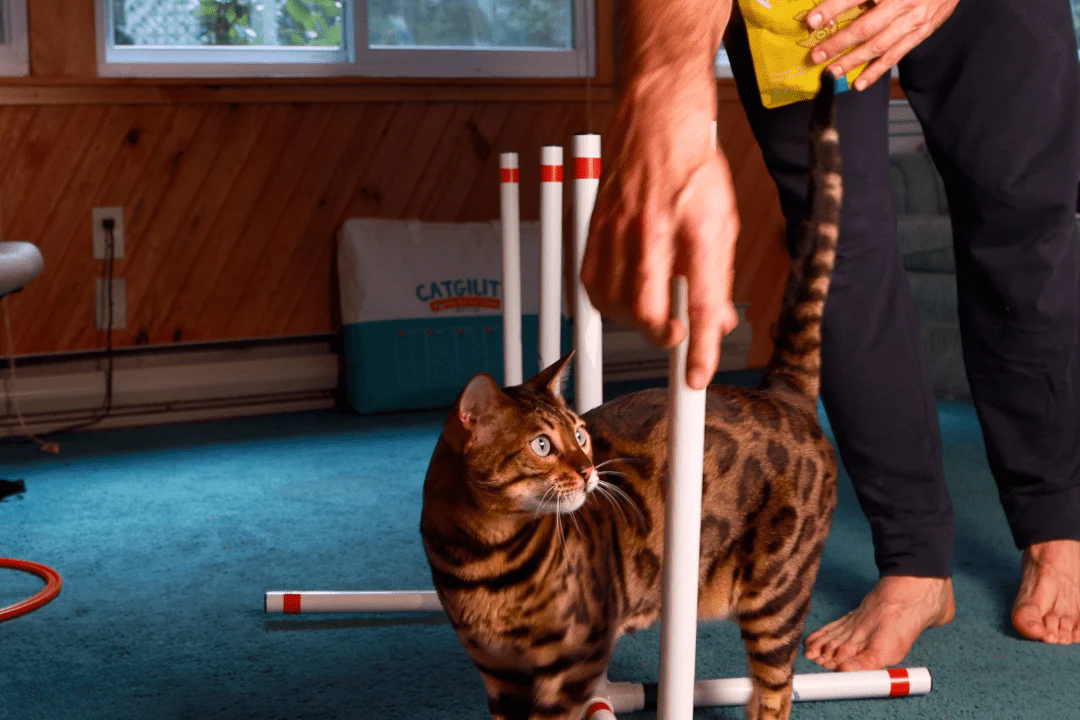
Modern cat training methods take a different approach, focusing on positive reinforcement and a broader understanding of feline behavior. Clicker training, for example, has become increasingly popular among owners who want to create a more rewarding learning experience. A click sound marks the exact moment the cat performs the desired behavior and is immediately followed by a treat. Over time, the cat learns that the click signals success and predicts a reward, making training more engaging and enjoyable.
Play is another important motivational tool in modern training. A cat may respond more enthusiastically when sessions include a favorite toy, making learning feel like an enjoyable activity rather than a task. This approach reinforces desired behavior while also strengthening the connection between the cat and owner.
Advances in behavioral science have further improved modern training techniques. By understanding the reasons behind a cat’s actions, owners can respond more appropriately. For instance, a cat that scratches furniture out of boredom may benefit more from stimulating play opportunities or a cat tree than from punishment alone.
Conclusion
This comparison highlights the strengths and limitations of both traditional and modern cat training methods. By examining their effectiveness, flexibility, and influence on feline behavior, owners can make better-informed decisions about how to train their pets.
Whether they choose long-established techniques or newer methods shaped by behavioral science, the priority should be creating a supportive environment based on mutual respect and understanding. Learning about different training approaches gives cat owners the tools they need to improve life for both themselves and their companions.
LEARN MORE: Click here to discover the importance of disease prevention for your pets.
Understanding Traditional Training Techniques
Traditional cat training has historically centered on correcting behavior through aversive techniques. Owners who follow this approach often believe that cats need firm limits and that strict control is necessary to maintain discipline. Training usually begins with basic commands such as “come” or “no,” taught through repeated verbal cues and hand signals. However, cats are naturally more independent than dogs, which can make these methods less effective.
An authority-driven approach can easily create a cycle of frustration. Owners may become discouraged when their cats do not respond quickly or appear unwilling to cooperate. Because independence is a normal part of feline behavior, repeated attempts to enforce commands without visible progress can place strain on the relationship.
Physical corrections are another common feature of traditional training. Shaking a can filled with coins or spraying a cat with water may stop an unwanted action in the moment. However, these techniques can create fear rather than understanding and may have harmful long-term effects. Studies have suggested that physical reprimands can contribute to anxiety in cats, potentially causing behavioral changes that make future training more difficult.
The Hierarchy Dynamics
The idea of dominance is central to many traditional training methods. Some owners believe they must establish themselves as the household “alpha.” This perspective can lead to actions that misinterpret natural feline instincts. Demanding direct eye contact, for example, may be intended as a sign of authority but can feel threatening to a cat.
Cats generally respond better to environments that respect their instincts than to rigid dominance structures.
- Increased stress levels: Traditional techniques may cause stress and anxiety, which can appear as destructive behavior.
- Limited engagement: Punishment-based methods often fail to hold a cat’s attention, reducing cooperation during training.
- Negative associations: Repeated physical corrections can make cats fearful of training and damage the bond with their owners.
These limitations reveal the risks of relying too heavily on punitive cat training methods. Recognizing these problems may encourage owners to seek more humane and effective approaches that better reflect their cats’ psychological and social needs.
A Shift Toward Modern Techniques
As knowledge of feline behavior has developed, training methods have changed as well. Modern approaches, especially those based on positive reinforcement, offer a more compassionate alternative to traditional practices. This shift reflects broader changes in pet care, with greater emphasis on healthy interactions that support both learning and emotional connection.
| Category | Advantages |
|---|---|
| Traditional Training Methods | Uses established techniques developed over many years, which can provide a structured foundation for understanding feline behavior. |
| Modern Training Techniques | Applies approaches such as positive reinforcement and clicker training, often improving retention and strengthening the relationship between cats and their owners. |
| Flexibility | Modern methods allow owners to adjust training to a cat’s personality and learning pace, creating a more individualized experience. |
| Efficiency | Traditional techniques may involve longer sessions, while modern methods often support effective learning in shorter periods. |
Cat training is changing as owners search for more effective ways to work with their pets. Traditional practices have provided structure and consistency for many years, and some cats may respond well to that framework. However, growing knowledge of animal behavior has led to the development of more adaptable methods.
Modern cat training draws heavily on behavioral science and frequently uses positive reinforcement. Rewarding desired actions helps cats understand what is expected while also building trust. This evolving approach is reshaping feline training and encouraging owners to explore new strategies without completely dismissing the foundation provided by older practices.
Both perspectives offer useful insights into building a balanced relationship between cats and humans. Whether owners favor traditional techniques or modern alternatives, the objective remains the same: raising cats that are happy, well adjusted, and comfortable in their environment.
LEARN MORE: Click here for insights on disease prevention.
Embracing Modern Training Paradigms
Modern training methods have changed how cat owners approach behavior modification and skill development. Positive reinforcement lies at the heart of these techniques. Grounded in behavioral psychology, this method rewards desirable actions instead of punishing unwanted ones. It encourages cooperation between cat and owner, creating a relationship based on trust and understanding.
One of the main strengths of positive reinforcement is its ability to increase engagement. Treats, toys, and praise provide immediate motivation and encourage cats to participate actively in training. Clicker training is a clear example. A small device produces a distinct sound at the exact moment the cat performs the desired behavior, communicating success before the reward is given.
Research indicates that cats trained with clickers may learn commands and tricks more quickly than those exposed to punishment-based methods.
Long-Term Benefits of Modern Approaches
The advantages of modern training extend beyond learning commands. Cats trained through positive reinforcement often show better social behavior and lower levels of anxiety. A study conducted by a veterinary behaviorist found that cats trained with rewards were less likely to display aggression or fear when exposed to unfamiliar people or situations.
This proactive approach helps cats become more adaptable and comfortable in different environments.
- Enhanced communication: Modern training encourages owners to understand feline vocalizations and body language, improving everyday interaction.
- Stronger bond: Reward-based training supports a deeper emotional connection by building trust between the cat and owner.
- Adaptable techniques: Positive reinforcement can be adjusted according to each cat’s preferences, making learning more personal and effective.
Environmental enrichment is another defining feature of modern cat training. This approach creates stimulating surroundings that support natural behaviors such as scratching, climbing, and exploring. Cat trees, puzzle feeders, and interactive toys keep cats engaged while also providing opportunities to incorporate training into play.
By connecting training with natural feline behavior, owners can increase the likelihood of successful learning.
Incorporating Technology in Training
Technology is also becoming part of modern cat training. Smartphone applications and remote training devices allow owners to monitor progress, track health, and interact with their pets through automated treat dispensers.
These tools can complement positive reinforcement by helping owners deliver rewards at the right moment and maintain consistency. When combined with modern training strategies, technology can make the learning process more interactive and convenient.
The transition from traditional to modern training reflects a broader change in how people understand feline behavior. Although older methods may still have a place in some situations, evidence supporting positive reinforcement and environmental enrichment continues to grow.
The future of cat training increasingly points toward cooperation, empathy, and respect rather than control.
DISCOVER MORE: Click here to enhance your bond with your pet.
Conclusion: Shifting Perspectives in Cat Training
Comparing traditional and modern cat training methods reveals important differences in how each approach affects feline behavior and the relationship between cats and their owners. Traditional methods often depend on aversive corrections, while modern techniques emphasize positive reinforcement. Reward-based training has been shown to support learning while also improving emotional well-being.
Modern methods can encourage better social behavior and reduce anxiety, helping cats become more comfortable in a variety of environments. Environmental enrichment adds another important advantage by supporting natural instincts and encouraging healthy engagement through play.
Technology has also introduced new tools that help owners monitor progress and reinforce desirable behavior more effectively. Together, these developments reflect a shift toward a more respectful and cooperative training model grounded in trust and understanding.
As owners learn more about modern training practices, the reasons for adopting them become increasingly persuasive. Positive interactions can improve training results while strengthening the emotional connection between cats and their owners.
For those committed to their pets’ well-being, exploring modern cat training methods may lead to more successful learning and a healthier relationship. In this evolving approach to feline training, patience, understanding, and kindness remain the foundation of harmonious companionship.