
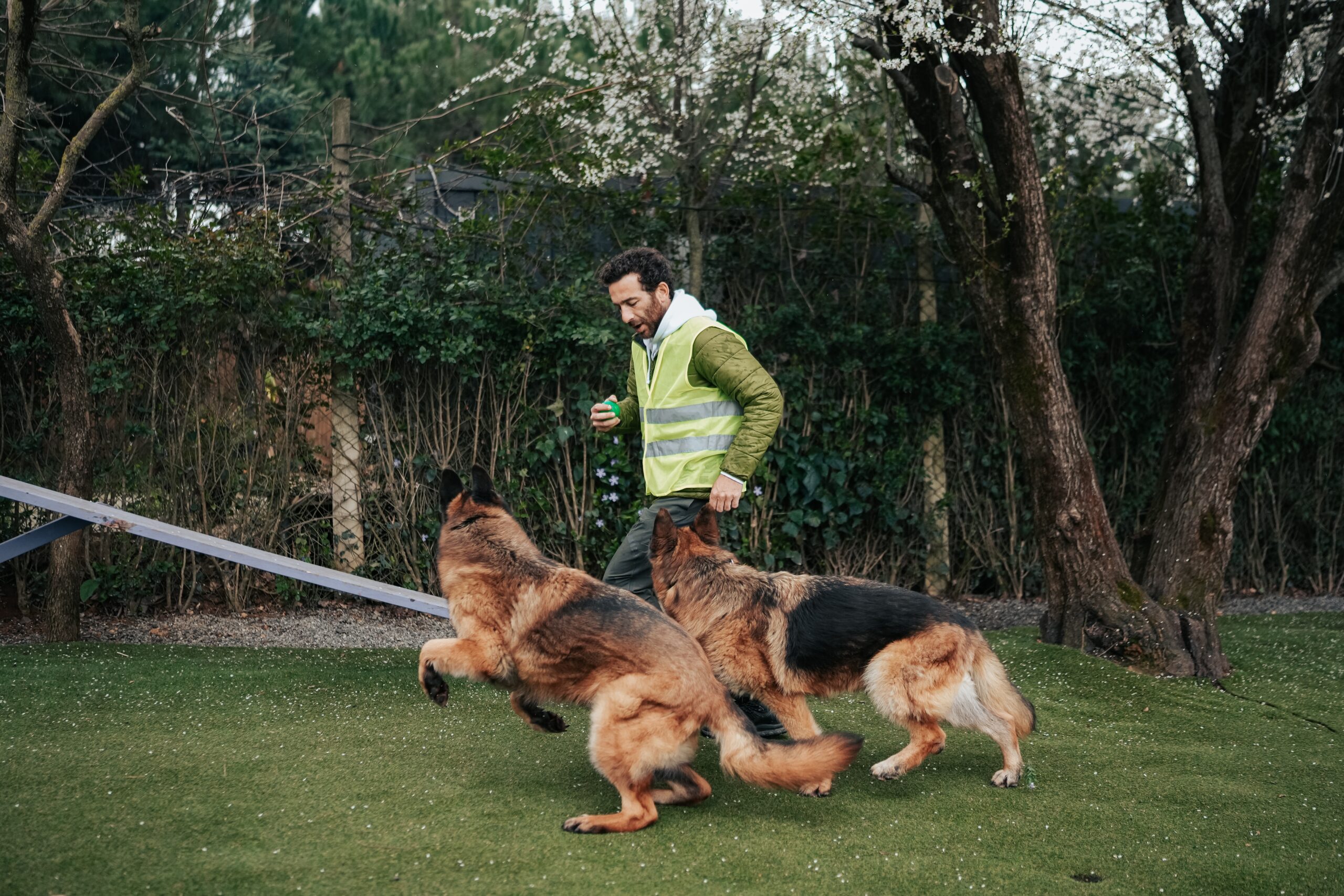

Exploring How Consistency Shapes Pet Training Success
Pet training involves far more than teaching commands. It is also an opportunity to build trust and understanding between animals and their owners. One of the most important elements in this process is consistency. Without it, pets may become confused about what is expected of them.
Establishing a structured routine allows owners to make the most of every training session. Understanding why consistency and routine matter can lead to more successful outcomes and a stronger relationship with your pet.
The Importance of Routine
Creating a regular routine offers several benefits that can improve the pet training experience:
- Predictability: Animals such as dogs and cats respond well to predictable patterns. A consistent routine helps them anticipate what will happen next, making new commands easier to understand. For example, if a dog learns that sitting is always followed by a treat, it will be more likely to respond quickly to the command.
- Reinforcement: Repeated practice strengthens desirable behavior. Consistently praising a dog for remaining quiet when the mail carrier arrives can gradually reinforce that response. Inconsistent reactions, however, may leave the dog uncertain about what it should do.
- Bonding: Regular training sessions create valuable opportunities for positive interaction. These enjoyable and rewarding experiences build trust, which forms the foundation of cooperation and contributes to a well-adjusted pet.
Consistency in commands and cues also reduces confusion. Using the same words and gestures each time, such as saying “stay” while giving a specific hand signal, helps pets understand what is being asked of them. Scheduling training at regular times, such as during morning or evening walks, can further create an environment that supports effective learning.
Key Factors to Consider
When developing a successful training routine, several factors can make a noticeable difference:
- Frequency: Research suggests that short, frequent training sessions are often more effective than long, occasional ones. Sessions lasting 10 to 15 minutes several times a day can improve concentration and retention.
- Rewards: Positive reinforcement is a central part of effective training. Treats, praise, and play motivate pets to repeat desirable behaviors. A clicker, for example, can mark the exact moment a pet performs a command correctly and strengthen its understanding.
- Environment: Limiting distractions is essential during training. A quiet room or enclosed yard can reduce interruptions and help pets remain focused. The more attentive the pet is, the more effectively it can absorb the lesson.
Consistency and routine can transform the training experience. By following a structured approach, owners can encourage better behavior while strengthening their relationship with their pets, creating a more peaceful household.
LEARN MORE: Click here to discover effective training techniques.
Building a Structured Foundation for Training
Creating an effective pet training environment is similar to building a house: without a strong foundation, the result may be unstable. Consistency and routine provide that foundation, allowing both pets and owners to succeed.
A structured training routine supports understanding while improving the overall relationship between an owner and their pet. To see how these principles contribute to successful training, it is important to consider how they can be applied in everyday life.
Creating Consistency in Commands and Cues
Consistency in commands and cues is particularly important when training dogs. When an owner repeatedly uses the same verbal instruction or hand signal, the pet can more easily connect that cue with a specific action.
For example, when the word “come” is always used to call a dog, the animal is more likely to develop a reliable response. Using different phrases for the same command, by contrast, may create uncertainty and leave the pet unsure about what is expected.
Incorporating Positive Reinforcement
Positive reinforcement is another essential part of a structured pet training routine. Research indicates that pets generally respond better to encouragement than correction. Rewarding an animal immediately after it performs a desired behavior helps create a clear connection between the action and the reward.
- Treats: Giving a small treat immediately after a command is completed reinforces the behavior and encourages the pet to repeat it.
- Praise: Verbal encouragement and affection, such as saying “good boy” or offering a gentle pat, can significantly increase a pet’s enthusiasm for training.
- Playtime: A favorite toy or game can also serve as a reward, making training more enjoyable and engaging.
Adding rewarding experiences to regular training sessions helps pets remain motivated and involved. Rewards should be delivered promptly and directly connected to the completed action so the pet can clearly understand the relationship between the two.
Training in Contextual Environments
The environment in which training takes place can also affect how successfully a pet learns. Animals usually perform best in familiar, consistent spaces with minimal distractions. Creating a designated training area can therefore be highly beneficial.
This space might be a quiet room indoors or a secure yard outside. Reducing interruptions allows the pet to focus more fully on the lesson. Once commands have been learned, practicing them in different locations can help the pet respond reliably under a variety of circumstances.
Consistency, positive reinforcement, and a suitable training environment work together to create the foundation for effective pet training. When owners apply these principles, they give their pets a better chance of becoming well-adjusted companions while building a relationship based on trust and enjoyment.
| Category | Description |
|---|---|
| Routine Benefits | Establishes a sense of stability and security for pets. |
| Increased Learning Capacity | Regular training sessions improve memory retention and skill development. |
| Behavior Modification | Consistent reinforcement encourages positive behavioral changes. |
| Bonding Opportunities | Regular routines strengthen the emotional connection between pets and their owners. |
The importance of consistency in pet training cannot be overstated. A clear routine helps pets understand what to expect, reducing anxiety and improving their ability to learn. When training happens at the same time each day, animals often become more focused and willing to participate.
This structured approach reinforces desirable behavior and supports the gradual development of new skills. Consistent sessions also create more opportunities for behavior modification. By maintaining a dependable routine, owners can guide their pets toward better habits while reducing unwanted actions.
Regular training also provides an important bonding experience. Each session strengthens trust and communication, turning the learning process into a positive interaction filled with affection and encouragement. Combining consistency with care creates a strong foundation for an effective and lasting relationship with your pet.
DISCOVER MORE: Click here to learn about disease prevention in pets.
Leveraging Routine for Behavioral Improvement
A regular training schedule is essential for making pet training as effective as possible. Pets thrive on routine, so predictable sessions can reinforce both learning and behavioral patterns.
Training at the same time each day and connecting lessons with regular activities helps pets anticipate commands and respond more effectively. Over time, this predictability can lead to meaningful progress in behavior.
Setting an Ideal Training Schedule
A consistent schedule encourages a disciplined approach to pet education. Owners should identify the times of day when their pets are most alert and receptive, which may be shortly before meals or after a period of play.
Training sessions should generally remain brief, especially for puppies and younger animals. Five- to ten-minute sessions can maintain attention and prevent fatigue. Daily practice or several sessions each week can improve retention and prevent unwanted behaviors from becoming established through inconsistent training.
Utilizing Habit Stacking
Habit stacking is an effective way to maintain consistency in both training and everyday behavior. This technique involves connecting a new command with an existing routine.
For example, an owner with a regular morning schedule might add a short training session before feeding the pet or taking it for a walk. Linking commands to familiar activities can help pets understand cues more quickly and make learning feel natural.
Teaching a pet to “sit” before receiving food is one example. Because the command is connected to a meaningful daily event, the behavior becomes easier to understand and reinforce.
Monitoring Progress and Adjusting Routines
Tracking training progress gives owners clear evidence of what is working and where improvement may be needed. Keeping a record can reveal which commands a pet responds to consistently and which ones require a different approach.
Observing response patterns may also indicate when the routine or training technique should be adjusted. Recording sessions on video can provide additional insight into both positive and negative reactions.
Owners should also consider their pet’s physical and emotional condition. Illness, environmental stress, and seasonal changes can affect motivation and responsiveness. Maintaining consistency remains important, but the routine should still allow some flexibility.
When a pet appears unusually distracted or uninterested, an owner might shorten the session or add a new and enjoyable element to restore engagement.
Engaging the Whole Family
Training becomes more consistent when everyone in the household participates. Each family member should use the same commands, cues, and techniques.
A unified approach gives the pet clear information about expected behavior. Shared participation also distributes responsibility for maintaining the routine and helps create a more harmonious environment for both the animal and the family.
Using consistency and routine as the basis of training can improve behavior and deepen the relationship between pets and their owners. When training becomes part of everyday life and a shared responsibility, both sides can enjoy the lasting rewards of a loving and effective partnership.
DON’T MISS: Click here to learn why socialization is essential for your pet’s happiness.
Conclusion: Embracing Consistency and Routine for Lasting Training Success
The influence of consistency and routine on successful pet training cannot be overstated. A structured schedule creates an environment in which pets can learn, develop, and thrive.
Predictable routines help animals anticipate training sessions, increasing their confidence and willingness to participate. By incorporating techniques such as habit stacking, owners can make training a natural part of daily life and improve the likelihood of lasting results.
Monitoring progress and making appropriate adjustments are equally important because every pet responds differently. Owners should remain flexible while preserving the consistency needed for effective learning.
Participation from the entire household further strengthens the process. When everyone uses the same commands and methods, pets receive clearer messages and are better able to understand expected behavior in different situations.
The relationship between consistency and routine provides the foundation for improved behavior and a stronger connection between pets and their owners. These principles enhance the training experience while building deeper trust.
Investing time in a dependable training routine can produce lasting rewards, helping pets become well-mannered, confident companions that enrich their owners’ lives in meaningful ways.