
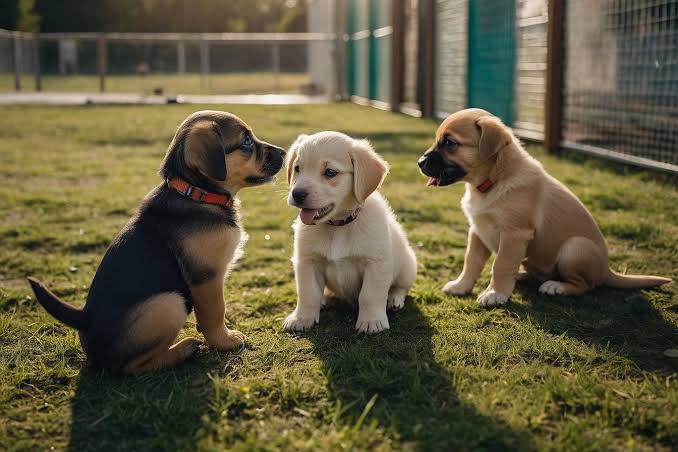

Understanding the Importance of Socialization in Puppy Training
Socialization is a vital part of raising a well-adjusted puppy. It shapes behavioral development, supports emotional well-being, and lays the foundation for successful training later on. By introducing your puppy to different people, animals, environments, and experiences, you help them become more confident and comfortable in the world around them.
A properly socialized puppy is often easier to train and more likely to grow into a friendly, adaptable adult dog.
What Is Socialization?
Socialization is the process through which puppies learn to interact positively with:
- Other dogs: Spending time with other dogs helps puppies develop essential social skills. Through play, they learn to interpret body language, respect personal boundaries, communicate appropriately, and control the intensity of their behavior. These experiences can reduce the risk of aggression and fear-based reactions later in life.
- People: Regular, positive contact with family members, friends, and strangers helps puppies build trust in humans. Each successful interaction creates a positive association, reducing the likelihood of anxiety or fear around unfamiliar people.
- Different environments: Introducing puppies to places such as parks, stores, busy streets, and other unfamiliar settings helps them adjust to a variety of sights, sounds, and smells. This exposure can prevent them from becoming frightened or overwhelmed by new situations as adults.
The most important period for puppy socialization usually occurs between 3 and 14 weeks of age. During this stage, puppies are especially receptive to new experiences and information. Positive exposure throughout this window can shape their behavior in healthy ways and reduce the likelihood of future behavioral problems.
Why Is It Essential?
Effective socialization benefits both the puppy and the people around them. Its main advantages include:
- Reduced anxiety: Puppies with strong social skills are better equipped to handle unfamiliar situations, which can reduce fear and stress.
- Improved obedience: A well-socialized puppy is often more attentive and responsive during training. Because they are less distracted or intimidated by their surroundings, they may learn commands more effectively.
- Stronger bonding: Socialization activities build trust between you and your puppy. This connection supports training while contributing to a loving and supportive relationship throughout the dog’s life.
Socialization is therefore one of the foundations of successful puppy training. It influences how dogs behave and how confidently they move through the world alongside people.
Whether you use puppy classes, supervised playdates, or visits to new environments, the effort you put into socialization now can produce lasting benefits. These early experiences can help your puppy become a happier, healthier, and more obedient companion.
DIVE DEEPER: Click here to discover effective enrichment activities for your pet training sessions.
Key Elements of Effective Socialization
To understand how socialization contributes to puppy training success, it is important to recognize the elements that make the process effective. Socialization is not a single event. It requires ongoing attention, consistency, and thoughtful planning.
The following components should be part of every puppy’s socialization experience:
- A variety of experiences: Puppies should encounter different settings, sounds, surfaces, people, and situations. A busy farmers’ market, a quiet country trail, and a local dog park each offer distinct forms of stimulation that can build adaptability and resilience.
- Positive reinforcement: New experiences should be connected with positive outcomes. Treats, praise, and play can help puppies understand that interacting with unfamiliar people, animals, and places is safe and rewarding.
- Structured socialization opportunities: Organized classes such as puppy kindergarten provide controlled exposure to different stimuli while teaching appropriate behavior. They also allow owners to learn effective socialization techniques from experienced trainers.
- Supervised playdates: Carefully managed interactions with calm, well-mannered dogs can teach puppies valuable skills such as bite inhibition, appropriate play, and conflict resolution. Owners should monitor these encounters closely to keep them safe and positive.
Understanding these elements makes it easier to approach socialization with a clear purpose. By encouraging the natural forms of communication and play that dogs use, owners can create an environment in which learning happens more easily.
A comprehensive approach to puppy socialization supports effective training while preparing dogs to become confident and sociable adults.
The Connection Between Socialization and Training Outcomes
The effects of socialization extend well beyond a puppy’s immediate interactions. They can directly influence the success of future training.
Puppies that receive thorough socialization often show stronger focus and greater cooperation during training sessions. Because unfamiliar sights and sounds are less likely to overwhelm them, they can pay closer attention to commands and learn more efficiently.
Well-socialized puppies may also develop a more positive attitude toward training itself. Instead of viewing each session as a series of demands, they learn to associate training with rewards, attention, play, and social interaction.
Socialization can also reduce behavioral problems such as aggression and fearfulness. Puppies that become familiar with different environments and social situations are less likely to react defensively when facing something new. This emotional stability supports training and helps create a more balanced adult dog.
The more positive socialization experiences a puppy receives, the better prepared they will be to handle the demands of everyday life.
| Socialization Technique | Benefits for Training |
|---|---|
| Group Classes | Enhances command learning: Practicing around other puppies helps dogs respond to commands despite distractions. |
| Positive Reinforcement | Builds confidence: Rewarding appropriate behavior during social interactions reduces fear and increases confidence. |
| Exposure to Different Environments | Reduces anxiety: Familiarity with new places and situations helps puppies remain calm in unfamiliar settings. |
| Structured Playdates | Improves dog-to-dog interactions: Supervised play supports the development of healthy social skills. |
Puppy socialization provides the foundation for effective training. Group classes allow puppies to practice basic commands while learning how to listen in distracting environments. This can improve overall obedience and help them become more dependable companions.
Positive reinforcement is equally important. It creates an environment where puppies feel safe and encouraged to explore, which plays a major role in building confidence.
Puppies exposed to different places and situations are also better prepared to face unfamiliar experiences without becoming fearful. Structured playdates further support this development by teaching puppies how to interact appropriately with other dogs.
Combining these strategies can help owners guide their puppies toward becoming calm, well-mannered adults.
DISCOVER MORE: Click here to learn about balanced nutrition for your pets.
Overcoming Common Socialization Challenges
Although socialization is essential for effective puppy training, the process can present several challenges. Owners may struggle with a puppy’s lack of confidence, fearful behavior, or uncertainty about how to introduce new experiences correctly.
Addressing these difficulties is important for creating a socialization process that supports long-term training success.
- Building confidence: Puppies may lack confidence when they have had limited exposure to unfamiliar environments and experiences. Owners should introduce new sights and sounds gradually and at a pace the puppy can tolerate. For example, a puppy that is nervous around loud noises might first listen to a radio at a low volume before being exposed to more intense sounds. Gradual exposure can build security and improve responses during training.
- Encouraging exploration: Puppies are naturally curious, but some may hesitate to investigate new places. Taking them on walks through different environments, including city streets, hiking trails, or busy shopping areas, can encourage exploration. Allowing them to sniff and observe their surroundings helps increase comfort. Interactive toys and puzzles can also promote curiosity and confidence.
- Addressing fear: Frightening experiences, such as encounters with aggressive dogs or unfamiliar moving objects, may have a lasting effect. Owners should remain calm and use positive reinforcement rather than punishment. If a puppy reacts fearfully to a skateboarder, for example, rewarding calm behavior can help create a more positive association over time.
- Understanding socialization timing: The sensitive socialization period usually occurs between 3 and 14 weeks of age. Owners who understand this timeline can make the most of early opportunities. Puppy classes, group play, socialization events, and visits from friends with well-adjusted dogs can all support development during this stage.
The Influence of Owner Attitude on Socialization
An owner’s behavior can strongly influence how a puppy responds to new experiences. Puppies often look to their owners for guidance. If the owner appears anxious or hesitant, the puppy may interpret the situation as threatening.
For this reason, owners should remain calm and confident during social interactions. When approaching a large dog, for instance, a relaxed posture and cheerful voice can help create a more positive environment for the puppy.
Learning to read canine body language is also important. Understanding signs of stress, fear, discomfort, or aggression in both your puppy and other dogs can help you manage social situations safely.
This knowledge supports responsible dog ownership and allows puppies to develop appropriate social skills within the wider canine community.
Although socialization can be challenging, the benefits make the effort worthwhile. A well-socialized puppy is more likely to form a strong bond with its owner and develop into a confident, adaptable adult dog.
With patience, knowledge, and a thoughtful approach, socialization can help a puppy become a comfortable and valued member of the community.
LEARN MORE: Click here to discover more about improving your bond with your pet.
Conclusion
The importance of socialization in puppy training success cannot be overstated. It is not simply an optional addition to training but a fundamental process that shapes a dog’s behavior and ability to adapt throughout life.
Effective socialization can help prevent behavioral problems linked to fear and anxiety. By introducing puppies to varied social experiences while remaining calm and confident, owners give them the skills needed to navigate unfamiliar situations successfully.
Understanding the sensitive socialization period, recognizing emotional signals in dogs, and applying positive reinforcement can make the process considerably more effective. Addressing challenges such as low confidence, fear, and reluctance to explore also helps establish a strong foundation for future development.
Responsible owners can further improve socialization outcomes by learning more about canine behavior and healthy social interactions. Investing in this process benefits the puppy while strengthening the relationship between dog and owner.
Every positive step toward effective socialization contributes to a happier, more balanced partnership and makes the training journey more rewarding for both.