
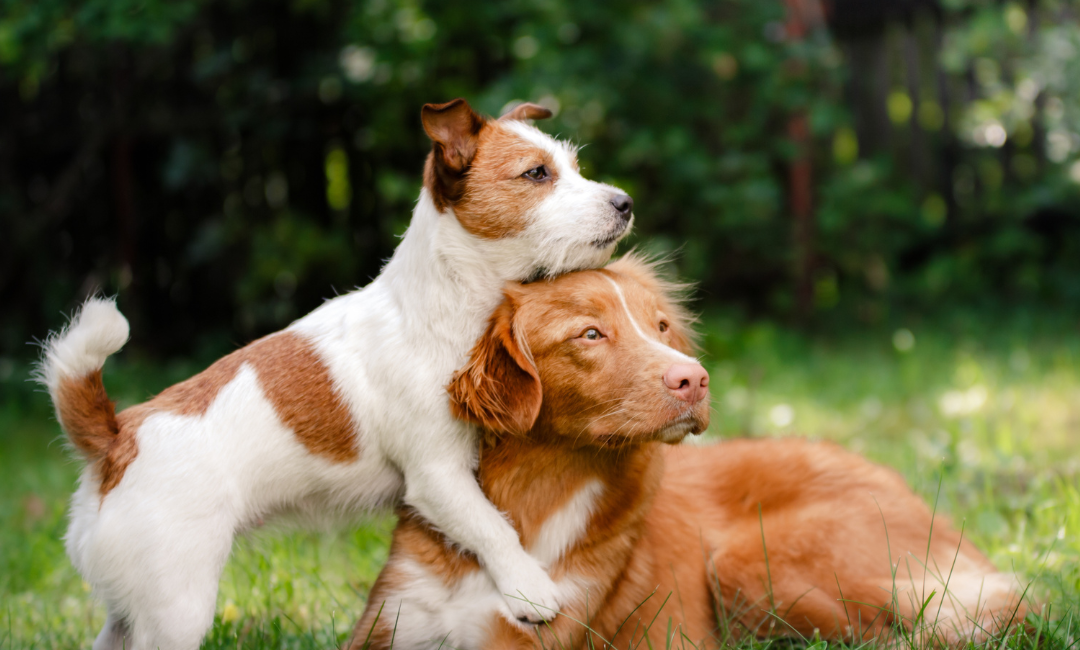

Understanding Pet Socialization
Socialization is one of the most important parts of a pet’s development, yet many owners underestimate its value. The process involves gradually introducing pets to different people, animals, places, sounds, and situations. These experiences play a major role in shaping their emotional and behavioral well-being.
Proper pet socialization helps animals become more confident and adaptable, leading to happier, calmer, and better-balanced companions.
Key Benefits of Socialization
Enhanced Comfort: One of the clearest benefits of pet socialization is a noticeable reduction in fear and anxiety. A dog that has encountered different people, environments, and everyday situations is less likely to panic in a crowded park or during a storm. This increased comfort often carries over into the home, making daily routines easier for both pets and their owners.
Improved Behavior: Regular interaction with people and other animals teaches pets important social cues and helps them respond appropriately in different situations. These experiences may reduce aggression, fear-based reactions, and excessive barking. For example, a kitten introduced to other cats and cat-friendly dogs at an early age may be less likely to develop fear or aggression toward them later.
Better Health: The benefits of socialization go beyond emotional wellness. Studies have shown that well-socialized pets often experience lower levels of chronic stress, which may reduce the risk of stress-related health problems. Social interaction also tends to encourage activity and engagement, potentially helping prevent conditions such as obesity and heart disease.
In the United States, pet socialization is no longer simply an optional extra. As more households adopt animals, providing pets with an enriched and socially stimulating environment has become increasingly important. Without adequate exposure to people, animals, and new situations, pets may develop anxiety disorders or behavioral problems that require professional support.
Responsible pet owners should understand and apply effective socialization strategies. Introducing pets to new experiences can create valuable opportunities for learning and growth. Enrolling a puppy in a socialization class, for example, or taking a cat to a cat café can provide positive encounters with both people and animals. Over time, these experiences create lasting associations and teach pets to explore their surroundings with confidence.
Investing time in your pet’s social development does more than improve their happiness in the present. It supports their long-term well-being and enriches their quality of life. Regular playdates, visits to the dog park, and backyard barbecues where pets can safely interact with friends and family may all contribute to a healthier, happier, and more well-adjusted companion.
DISCOVER MORE: Click here to learn about positive reinforcement training.
Socialization Techniques for Optimal Emotional Health
Effective socialization involves more than simply exposing pets to unfamiliar experiences. It requires a thoughtful, consistent approach that creates positive and lasting emotional benefits. Learning how to socialize your pet properly can make a significant difference in both behavior and overall health.
Gradual Introductions: Introduce your pet to new people and environments slowly. Begin in calm settings with few distractions, then progress to more stimulating situations. A puppy might first meet one person at a time before visiting a busy park filled with children and other dogs.
Positive Reinforcement: Use praise and treats to reward calm, appropriate behavior during social interactions. When a dog remains relaxed and friendly while meeting a new person, offer a reward. This helps the animal associate social experiences with positive outcomes rather than fear or anxiety.
Socialization Classes: Structured classes can be highly beneficial for a pet’s emotional well-being. They expose animals to different people, pets, sounds, and situations in a controlled environment. Puppy training programs and obedience schools often include supervised opportunities for social interaction.
Regular Playdates: Arranging playdates with other pets provides a safe and enjoyable setting for social learning. These interactions allow animals to form relationships while practicing essential communication skills. To reduce the risk of negative experiences, choose playmates that are well-behaved, compatible, and appropriately supervised.
Exposure to Different Environments: Trips to parks, pet stores, or the homes of friends can help pets become more adaptable. The wider the range of positive experiences they encounter, the better prepared they will be to manage unfamiliar situations in the future.
A pet’s emotional health depends heavily on the quality of its interactions. According to studies conducted by the American Veterinary Medical Association, socially integrated animals display fewer signs of stress-related disorders and often behave better in public settings. Findings also suggest that pets that interact with other animals may form stronger bonds with their owners because these experiences encourage trust and comfort.
Owners should carefully observe their pets throughout the socialization process. Excessive panting, hiding, or aggression may indicate that an animal is overwhelmed. When these signs appear, it may be necessary to pause the activity, move to a calmer setting, and give the pet time to adjust.
Every animal responds differently, so patience and understanding are essential. By adapting the socialization process to your pet’s personality and comfort level, you can build a strong foundation for lifelong emotional health.
Pets should not be viewed as animals that merely share a home with their owners. Their emotional well-being is a fundamental part of their overall health. Committing to effective pet socialization practices supports a happier animal while also improving the quality of the relationship between pet and owner.
| Category | Benefits |
|---|---|
| Reduced Anxiety | Socialization helps pets develop confidence, minimizing anxiety in unfamiliar environments. |
| Improved Behavior | Regular interaction with people and other animals encourages healthier behavioral habits and may reduce aggression or excessive barking. |
| Enhanced Social Skills | Frequently socialized pets develop stronger communication skills, supporting healthier relationships with both animals and people. |
| Increased Physical Activity | Social activities often involve play, which can contribute to improved physical health. |
Socialization supports emotional wellness while also encouraging physical and behavioral development. Studies suggest that well-socialized pets are often healthier and happier, reinforcing the importance of making social interaction a regular part of their lives.
When pets are exposed to different sounds, environments, situations, and animals, they often display less fear and greater curiosity. They also benefit greatly from meaningful interaction. Whether through an energetic visit to the park or a structured playdate, these experiences can significantly enrich a pet’s life.
The advantages also extend to the household. A calm, well-adjusted pet can contribute to a more peaceful home and more harmonious relationships with family members. Owners can support this development through obedience classes, group play sessions, and community events designed to strengthen the connection between pets and their surroundings.
Together, these activities create a broader social network for pets and support their long-term emotional well-being.
LEARN MORE: Click here to discover the benefits.
Recognizing the Signs of Emotional Distress
Socialization is essential not only for developing relationships but also for understanding a pet’s emotional health. Like people, animals show signs when they feel anxious, uncomfortable, or overwhelmed. Recognizing these behaviors allows owners to provide a safer and more supportive environment.
Excessive Barking or Meowing: Vocalization is normal, but a sudden or unusual increase in barking or meowing may indicate anxiety or discomfort. Context matters. A dog that barks excessively whenever unfamiliar people approach, for instance, may be experiencing social stress.
Aggression: Aggressive behavior can result from fear or insecurity, particularly when an animal feels threatened. Signs may include growling, biting, lunging, or holding the body in a stiff posture. Identifying these reactions early can make it easier to address the underlying cause.
Destructive Behavior: Chewing furniture, digging up plants, or engaging in other destructive activities may signal stress, boredom, or insufficient social interaction. Redirecting this energy toward constructive play and appropriate social activities can help relieve emotional discomfort.
Withdrawal: Emotionally healthy pets generally seek some level of interaction with their owners or other animals. A dog or cat that suddenly begins hiding, avoiding contact, or refusing activities it once enjoyed may be experiencing emotional distress.
Understanding these warning signs is an important part of protecting a pet’s emotional health. Regular observation and interaction help owners detect changes early. Proactive socialization may also prevent some behavioral problems from developing.
According to a study published in the Journal of Veterinary Behavior, animals regularly exposed to new experiences tend to develop more resilient behavior. This resilience may help them cope more effectively with change and unexpected situations.
The Link Between Socialization and Physical Health
Research has identified a close relationship between a pet’s emotional state and physical health. Well-socialized animals generally experience less stress, which may have a positive effect on immune function.
Chronic stress can affect pets physiologically and contribute to digestive problems, obesity, cardiovascular disease, and other health concerns.
A study conducted by the American Journal of Veterinary Research found that socialized dogs had lower cortisol levels than dogs with fewer social experiences. Cortisol is a hormone associated with stress. This finding highlights the value of providing regular social opportunities, as lower stress levels can support emotional wellness and improve overall quality of life.
Planning for a Lifetime of Socialization
Pet socialization should not be treated as a single stage that ends after puppyhood or kittenhood. It is an ongoing process that should continue throughout an animal’s life. As pets mature, their social needs may change, making it important to introduce new experiences at every stage.
Pet fairs, dog sports, community meetups, and other organized activities can provide valuable opportunities for continued interaction. Older animals may also benefit from gentle socialization with well-behaved younger pets. These encounters allow senior animals to remain engaged while giving them opportunities to teach, nurture, and participate in healthy interaction.
Understanding how pets communicate and shaping their experiences around their individual needs helps create a relationship built on trust and affection. By observing carefully and adapting when necessary, owners can guide their pets toward healthier and happier lives.
This long-term commitment transforms pet ownership into a meaningful partnership centered on mutual emotional well-being.
DIVE DEEPER: Click here to learn more about positive reinforcement training.
Conclusion
Pet socialization is essential to an animal’s emotional well-being. It enriches daily life, supports healthy relationships, and gives pets the skills they need to navigate both familiar and unfamiliar environments.
By recognizing signs of emotional distress and responding appropriately, owners can create a supportive atmosphere that promotes psychological and physical health. Well-socialized pets are generally happier and may experience lower stress levels, as studies showing reduced cortisol levels in socialized animals suggest.
Socialization should be viewed as a lifelong priority rather than a temporary stage of puppy or kitten development. Regular exposure to community events, everyday outings, people, animals, and new environments helps pets better understand the world around them. Owners should remain patient, observant, flexible, and proactive as their pets’ social needs evolve.
The effects of socialization reach far beyond simple companionship. They directly influence a pet’s quality of life and shape the relationship between animals and their owners. Prioritizing positive social experiences can create a calmer, healthier, and more harmonious bond with a four-legged companion.
By providing environments in which pets can thrive emotionally and physically, owners support both their happiness and a deeper relationship founded on trust, patience, and kindness. Consistent socialization practices help ensure that pets enjoy fulfilling lives as loved and valued members of the family.