
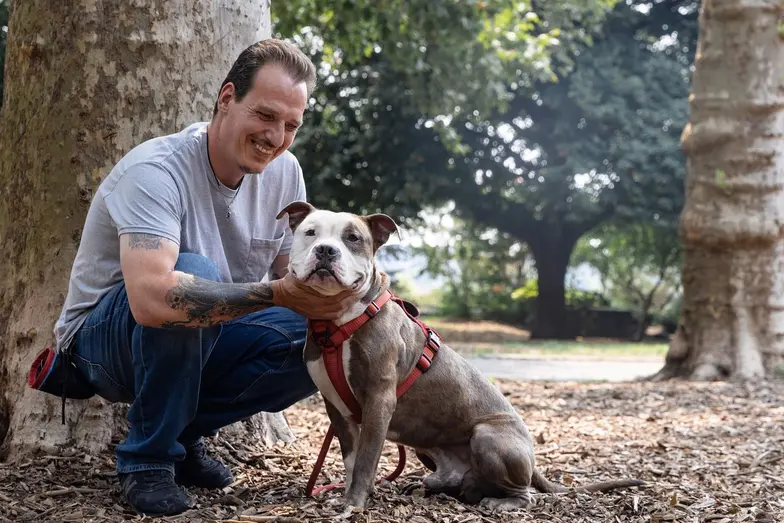

Understanding the Adoption Journey
Pet adoption is often filled with hope and excitement, but it can also feel overwhelming. Understanding animal behavior offers valuable opportunities to improve the process and create lasting bonds between pets and their new families. By applying behavioral science principles, shelters and adoption organizations can increase adoption rates while making more successful matches between animals and prospective owners.
Identifying Traits for Better Matches
One of the main advantages of using behavioral science in pet adoption is the ability to identify the characteristics of individual animals and different breeds more accurately.
Golden Retrievers, for example, are often known for their friendly and gentle temperament, making them a popular choice for families. More independent breeds, such as the Shiba Inu, may be better suited to active individuals or people with previous dog ownership experience.
Understanding these differences allows shelters to create detailed profiles that highlight each animal’s personality, preferences, and needs. Prospective adopters can then make more informed decisions and choose pets that are better suited to their lifestyles.
Creating a Welcoming Environment
Behavioral science can also help reduce stress during the adoption process. Shelters may be intimidating places for animals because of unfamiliar sights, sounds, and activity.
Organizations can respond by creating quieter waiting areas, adding comfortable spaces with soft bedding, and providing designated rooms for fearful animals. Softer lighting and calming music may also help dogs and cats feel more relaxed.
When animals are comfortable, they are more likely to display their natural personalities during interactions with potential adopters. This gives families a clearer idea of how a pet may behave outside the shelter environment.
Training Programs for Success
Training programs can further improve the pet adoption experience. Many shelters now provide basic obedience training before animals move into their new homes.
This preparation can help pets adjust more easily to new routines while making them more appealing to adopters. During adoption events, shelters can demonstrate an animal’s training progress, giving families greater confidence that the pet already has a foundation for appropriate behavior and companionship.
The Impact of Statistics
According to the ASPCA, as many as 6.5 million companion animals enter shelters across the United States each year. With such large numbers, organizations must use behavioral insights to help animals find suitable homes.
Clear communication about a pet’s behavior can significantly influence adoption decisions. Highlighting progress in training or describing positive interactions with volunteers can create a reassuring and compelling story for prospective families.
Exploring the connection between behavioral science and pet adoption improves individual outcomes while encouraging greater understanding and empathy toward animals. By combining data-informed strategies with compassionate practices, shelters can support successful placements and lasting relationships that benefit pets and people alike.
DISCOVER MORE: Click here to learn about balanced nutrition for your pets.
Enhancing the Adoption Process Through Science
As pet adoption practices continue to evolve, shelters are increasingly recognizing behavioral science as an important tool for creating successful matches between animals and potential adopters.
Understanding the subtleties of animal behavior allows organizations to develop strategies that improve adoption rates while increasing satisfaction for pets and their new families. Applying this knowledge can turn adoption into a more positive and rewarding experience for everyone involved.
Utilizing Behavioral Assessments
Behavioral assessments provide valuable information about an animal’s temperament, preferences, and possible challenges in a new home.
Through these evaluations, shelter staff can observe qualities such as sociability, activity level, and responsiveness to training. This information can guide adopters toward pets whose personalities and needs align more closely with their circumstances.
The main benefits of behavioral assessments include:
- Identifying compatibility: Matching a pet’s behavioral characteristics with an adopter’s lifestyle can encourage a more harmonious home environment.
- Highlighting specific needs: Understanding each animal’s health and behavior helps adopters prepare for any additional care or training that may be required.
- Increasing transparency: Sharing assessment results builds trust and gives adopters the information they need to make thoughtful decisions.
Fostering Volunteer Engagement
Volunteers play an essential role in connecting animal behavior with the adoption experience. Because they regularly spend time with shelter pets, they can provide valuable observations about each animal’s habits and personality.
These insights help shelters write more accurate and engaging pet profiles. By highlighting an animal’s most appealing characteristics, organizations can create stronger emotional connections with potential adopters.
Training volunteers in behavioral science also helps them understand the animals they support. This knowledge can lead to:
- Enhanced socialization: Volunteers can introduce pets to different people and environments, helping them become more comfortable and adoptable.
- Recognition of behavioral cues: Volunteers who understand animal behavior can identify subtle signs of fear, anxiety, or stress and use appropriate calming techniques.
- Stronger relationships: Bonds between volunteers and animals can produce more accurate observations and better recommendations about adoption suitability.
Creating Tailored Adoption Events
Shelters can also use behavioral information to organize more focused adoption events.
For example, a family-oriented event could feature animals assessed as patient and affectionate around children. Creating opportunities for families to interact with suitable pets can increase the likelihood of successful placements.
By applying behavioral science, shelters can make the adoption environment more welcoming and responsive to the needs of both animals and people. This approach helps turn the adoption journey into a positive experience that supports lasting relationships.
| Category | Description |
|---|---|
| Understanding Motivation | Using behavioral science to identify what motivates prospective adopters can lead to more successful placements. |
| Emotional Connection | Storytelling and emotionally engaging marketing can encourage adoption by appealing to empathy. |
| Reducing Barriers | Behavioral nudges can reduce hesitation and simplify the adoption process, improving overall engagement. |
| Post-Adoption Support | Behavioral follow-ups can improve adoption outcomes and help pets and owners adjust successfully. |
Understanding what motivates people to adopt is essential for shelters seeking to improve their results. Behavioral science can help organizations develop approaches that connect more effectively with prospective adopters.
Storytelling is particularly useful for building emotional connections between people and shelter animals. Sharing meaningful details about a pet’s background and personality can help adopters feel connected before they meet the animal.
Reducing barriers is equally important. Simplifying application procedures and providing clear information can help prospective owners feel more confident and prepared to adopt.
Post-adoption support also contributes to long-term success. Continued guidance can make the transition easier for pets and families while encouraging responsible ownership and lasting companionship.
DISCOVER MORE: Click here to learn about the benefits of positive reinforcement.
Revolutionizing Adoption Strategies Through Insights
The value of behavioral science extends beyond assessments and volunteer involvement. A deeper understanding of human-animal relationships can help shelters develop more effective outreach programs, communication campaigns, and support services.
These approaches can improve adoption outcomes and increase the likelihood that pets remain successfully placed in their new homes.
Targeting Communication Strategies
Understanding the psychological factors that influence adoption decisions can help shelters communicate more effectively.
Behavioral science provides tools for creating messages that appeal to different groups within the community. Research suggests that people may respond more strongly to positive stories about the happiness and companionship pets provide than to messages focused only on the animals’ difficulties.
Shelters can therefore create campaigns that emphasize the benefits of adoption through uplifting stories, photographs, and testimonials.
Behavioral nudges can also influence decision-making. Encouraging visitors to imagine how a pet could fit into their daily lives may increase interest. Clear descriptions of an animal’s behavior and needs, combined with reassuring images of pets living with families, can help hesitant individuals feel more comfortable adopting.
Integrating Post-Adoption Support Services
The period after an animal enters a new home is an important part of the adoption process. Transitions can be stressful for both the pet and the adopter, making post-adoption support particularly valuable.
Using behavioral science, shelters can identify common challenges and prepare resources to address them. Support may include training sessions focused on behavioral adjustment, written guidance, or helplines for urgent questions.
Shelters might also provide adopters with a checklist of training recommendations based on the pet’s behavioral assessment. These resources can increase adopter confidence, support a smoother adjustment, and strengthen the relationship between the animal and its new family.
Community Engagement and Education Initiatives
Community education can help make adoption more accessible while correcting common misconceptions about rescue animals.
Shelters can organize workshops and seminars that explain animal behavior and the benefits of adopting. These programs can answer common questions, address concerns about behavioral problems, and share examples of successful placements.
Partnerships with schools, community centers, and local organizations can further expand awareness. These initiatives can introduce people to available pets while promoting responsible ownership based on an understanding of animal behavior and needs.
Using evidence and positive messaging to challenge the belief that shelter pets are inherently damaged can broaden the pool of prospective adopters and encourage greater acceptance of rescue animals.
Using Data to Drive Continuous Improvement
Systematically reviewing adoption outcomes and animal behavior can help shelters improve their practices over time.
By collecting information about successful placements and returned animals, organizations can identify patterns and areas that require attention. Data may reveal that certain breeds, age groups, or medical conditions are associated with higher return rates.
These findings can guide behavior modification programs, adoption policies, and support services. A data-driven approach creates a continuous cycle of evaluation and improvement, helping shelters increase the number of successful adoptions.
Incorporating behavioral science into pet adoption allows shelters to place greater emphasis on the needs of both animals and adopters. Better communication, continued support, community education, and careful use of data can create more satisfying adoption experiences and lasting relationships.
DIVE DEEPER: Click here to uncover more tips.
Conclusion: A Brighter Future for Pet Adoption
The connection between behavioral science and pet adoption shows how a deeper understanding of human and animal behavior can transform shelter practices.
Research-informed strategies can improve communication, strengthen support services, and guide educational programs. Together, these efforts can lead to more successful adoptions and lasting relationships between pets and their new families.
Positive messages and behavioral nudges help shelters connect with prospective adopters emotionally, increasing awareness and encouraging adoption. Strong post-adoption services can make the transition easier for animals and families while reducing the likelihood of pets being returned.
Community education also helps challenge misconceptions about rescue animals and promotes a culture of responsible, compassionate ownership.
Analyzing adoption data enables shelters to identify trends, address weaknesses, and adapt their methods to the needs of the communities they serve. This ongoing process of improvement can support innovative adoption strategies that benefit both animals and people.
By embracing behavioral science, shelters across the United States can create a more promising future for pet adoption. A comprehensive approach that considers the needs of pets and adopters can strengthen lifelong bonds and help more animals find permanent, loving homes.