
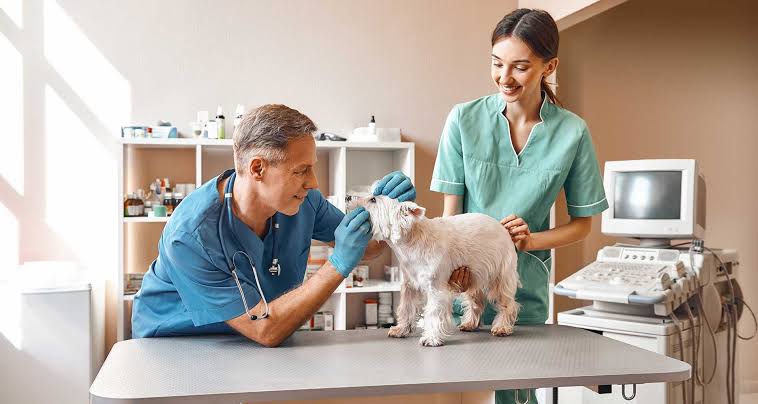

Understanding Preventive Care for Your Pet
As responsible pet owners, ensuring the well-being of our furry friends is crucial. Regular check-ups are a fundamental aspect of preventive care, helping to safeguard your pet’s health and longevity. Preventive care encompasses a series of proactive measures and screenings designed to maintain your pet’s overall health and to prevent the onset of diseases.
Why are these check-ups so essential? Here are some key reasons:
- Early Detection: Many health issues can remain unnoticed until they become severe. Routine veterinary visits can catch problems before they escalate. For instance, conditions like diabetes or kidney disease can develop silently, but regular blood tests during check-ups can catch them early, allowing for more effective management and preventive treatment.
- Vaccination Updates: Regular check-ups ensure your pet’s vaccinations are current, helping to prevent potentially fatal diseases such as parvovirus in dogs or feline leukemia in cats. These vaccinations protect not only your pet but also contribute to broader public health by preventing the spread of infectious diseases.
- Weight Management: Obesity is a growing concern among pets, leading to various health issues such as joint problems and heart disease. Veterinary evaluations assist in maintaining a healthy weight through tailored diet and exercise recommendations, crucial for a longer and healthier life.
In the United States, countless pets face health challenges that can be mitigated with simple preventive measures. Statistics reveal that approximately 60% of pets are overweight or obese, demonstrating a pressing need for regular veterinary oversight in their dietary and exercise habits. Furthermore, a staggering number of pet parents—over 30%—forgo annual vet visits, which significantly heightens health risks for their animals.
Additionally, these visits provide invaluable opportunities for pet owners to gain:
- Expert advice on nutrition, behavior, and exercise tailored to your pet’s specific needs. This guidance can range from optimal dietary choices to techniques for reducing anxiety in your pet.
- Regular dental checks to prevent oral diseases, a common and often overlooked issue causing pain and other systemic problems, such as heart disease.
- Access to screening tests for parasites and other illnesses, which are crucial in areas where ticks and fleas are prevalent and can transmit serious diseases, like Lyme disease or heartworm.
Ultimately, prioritizing your pet’s health through preventive care is an investment in their happiness and life span. This commitment not only enhances their quality of life but can also lead to significant cost savings on treatments that might arise from neglecting their health. By staying informed, proactive, and aware of the importance of regular veterinary visits, you can help ensure that your beloved companion thrives in every stage of life.
DIVE DEEPER: Click here to discover more
Health Benefits of Routine Veterinary Visits
Understanding the health benefits that come with routine veterinary visits can help pet owners realize just how important preventive care is. Regular check-ups serve as a cornerstone for any pet’s health management plan. During these visits, veterinarians perform various crucial assessments, leaving no stone unturned to ensure your pet is living its healthiest life.
One of the hallmarks of preventive care is the comprehensive wellness exam. This assessment typically includes:
- Physical Examination: Veterinarians check your pet’s skin, coat, eyes, ears, and teeth. They also evaluate the heart and lungs to identify any abnormalities, often before they become serious issues. Early intervention in matters like dental disease, for example, can prevent significant pain and healthcare expenses down the line.
- Vital Signs Monitoring: Regular check-ups provide an opportunity to monitor your pet’s vital signs—such as heart rate, respiratory rate, and temperature. Deviations from the norm can indicate health issues that require immediate attention.
- Behavioral Assessment: Changes in behavior can sometimes signal underlying health problems. Veterinarians can identify these changes and suggest interventions or treatments, whether it’s anxiety, aggression, or lethargy.
Moreover, staying on top of preventive care through regular check-ups can lead to significant healthcare savings. The American Veterinary Medical Association stresses that investing in preventive care can decrease the risk of costly emergency treatments. For instance, management and prevention of chronic conditions like arthritis may require medications and therapies that could be avoided with consistent care.
Additionally, accessing veterinary guidance directly during check-ups allows pet owners to be proactive about their pet’s diet and exercise. This is particularly important, as obesity in pets has reached epidemic levels, impacting the overall health of millions of animals across the United States. A vet can recommend appropriate diets and exercise plans tailored to your pet’s size, breed, and health requirements.
The importance of scheduling regular check-ups cannot be overstated; they play a vital role in the early detection and prevention of an array of diseases. Pets, unfortunately, cannot voice their concerns like humans. Thus, the expertise of your veterinarian becomes invaluable for identifying problems before they progress. By maintaining consistent care, you are taking a crucial step in ensuring your pet’s well-being for years to come.
In addition, regular veterinary visits foster a strong relationship between you, your pet, and your veterinarian. This partnership is key to promoting lifelong health and wellness for your companion. You gain insights not just into physical health but also behavioral and emotional aspects, equipping you better to make informed decisions regarding your pet’s care.
Understanding the Need for Regular Check-ups
Regular check-ups are an essential component of preventive care for your beloved pets. These visits to the veterinarian are not merely routine; they are crucial for ensuring the long-term health and well-being of your furry companions. Routine examinations help in the early detection of potential health issues, allowing for timely intervention and management. For instance, conditions like diabetes, dental disease, and heart issues can develop silently and go unnoticed until they become severe. Regular check-ups enable veterinarians to identify these problems before they escalate into serious health concerns that require extensive treatments.Moreover, during these appointments, your veterinarian will likely perform a range of diagnostic tests, including blood work, urinalysis, and physical examinations. Such tests can reveal hidden health problems and provide a baseline for future evaluations. This proactive approach not only enhances your pet’s quality of life but can also save you substantial financial resources in the long run by avoiding costly emergency interventions.Additionally, regular visits foster a stronger bond between you, your pet, and your veterinarian. They provide an opportunity for pet owners to ask questions about their pet’s diet, behavioral issues, and preventative treatments such as vaccinations and parasite control. This exchange of information and trust is invaluable in promoting healthy lifestyles for pets, leading to happier and healthier lives.For pet owners who prioritize regular vet visits as part of their preventive care routine, there is also the added benefit of peace of mind. Knowing that you are taking proactive steps to monitor and maintain your pet’s health can alleviate concerns about their well-being, allowing you to enjoy your time together with more assurance.
Key Advantages of Preventive Check-ups
| Category | Key Features |
|---|---|
| Early Detection | Identifies health issues before they become severe, improving prognosis. |
| Preventive Care | Involves vaccinations, parasite control, and nutrition advice to maintain optimal health. |
| Bonding Opportunities | Builds trust between pet and veterinarian, improving overall care experience. |
By understanding and embracing regular check-ups, pet owners can advocate for their pets’ health and enhance their quality of life. Making this commitment can lead not only to significant health outcomes but also to a deeper connection between pets and their owners.
DISCOVER MORE: Click here to learn about the power of routine in pet training
Preventive Care: Vaccinations and Disease Prevention
Another critical aspect of preventive care during routine veterinary check-ups is the administration of vaccines. Vaccinations are designed to protect pets from a range of dangerous diseases, many of which can be fatal. Common vaccinations include those for rabies, parvovirus, feline leukemia, and bordetella. According to the Centers for Disease Control and Prevention, vaccination can not only safeguard individual pets but also contribute to broader community health by curbing outbreaks of contagious diseases.
Veterinarians recommend a tailored vaccination schedule based on your pet’s age, lifestyle, and health history. For example, puppies and kittens typically require a series of vaccinations in their first year to build up immunity. Conversely, adult pets may need booster shots at regular intervals. This systematic approach ensures that your furry friend remains protected against diseases that could severely impact their health.
The Role of Parasite Prevention
Regular check-ups also provide an opportunity to discuss parasite prevention. Parasites such as fleas, ticks, and worms are not just nuisances; they can lead to severe health complications ranging from skin infections to more serious diseases like Lyme disease and heartworm. The American Heartworm Society reports that heartworm disease can be fatal if left untreated. Regular veterinary visits allow for effective discussion on the best preventive medications available and when they should be administered, ensuring that your pet is protected all year round.
During check-ups, veterinarians can conduct simple tests to check for existing parasitic infections, allowing for immediate treatment if necessary. Your vet may suggest a year-round preventive medication to keep those parasites at bay, which can save both your pet and your wallet from future woes.
Dental Health: An Overlooked Component
Another facet of preventive care that often goes unnoticed is oral health. According to the American Veterinary Dental College, by age three, over 80% of dogs and 70% of cats show signs of dental disease. Regular check-ups include dental assessments, where veterinarians can identify plaque buildup, gingivitis, and other dental issues early on. Recommendations for dental cleanings or at-home care routines may follow, ensuring that your pet maintains not only a healthy mouth but also an overall healthy body. Poor dental health has been linked to other health issues, such as heart disease, making dental care an essential part of your pet’s healthcare plan.
Additionally, engaging in robust discussions about your pet’s overall health, including factors like weight management and mental stimulation, is vital during these visits. A well-rounded approach that addresses both physical and mental well-being can lead to a longer, healthier life for your furry friend. The interconnection between mental health and overall wellness is now widely recognized in veterinary medicine, prompting owners to consider the entirety of their pet’s lifestyle.
Routine veterinary check-ups are more than just a series of appointments; they represent a comprehensive strategy for maintaining and enhancing your pet’s health. By understanding the scope of services included in regular visits, pet owners can advocate effectively for their companion animals, ensuring they receive the best preventive care possible.
DISCOVER MORE: Click here to learn effective training strategies
Conclusion: Prioritizing Preventive Care for Lifelong Health
In summary, preventive care through regular veterinary check-ups is essential for maintaining your pet’s health and well-being. These routine visits offer a comprehensive approach that encompasses critical aspects such as vaccinations, parasite prevention, and dental health. Each element plays a pivotal role in safeguarding your pet against diseases and conditions that could compromise their quality of life. By staying proactive, you’ll not only provide your pet with a healthy and happy life, but you can also save on potential costly medical treatments down the road.
As discussed, a tailored vaccination schedule and vigilant parasite monitoring are vital. They shield your pet from illnesses that could have devastating repercussions. Furthermore, prioritizing dental care extends beyond fighting plaque; it is integral to overall health, with connections to systemic conditions like heart disease. Engaging in discussions about nutrition, weight management, and mental stimulation during visits creates a holistic health plan for your furry companion.
Ultimately, the commitment to regular check-ups transcends mere visits to the vet; it is an investment in your pet’s future. By implementing a proactive healthcare strategy, you are setting the foundation for a longer, healthier life for your beloved companion. So schedule that next appointment and embrace the invaluable role of preventive care—because every wag of the tail or gentle purr deserves to be celebrated with a vibrant and thriving life.