Beatriz

Beatriz

Beatriz Johnson is a seasoned pet care expert and writer with a passion for simplifying the complexities of pet ownership and animal well-being. With over a decade of experience in the field, she specializes in topics like pet nutrition, training techniques, and health care. Through her work on our website, Beatriz empowers pet owners to make informed decisions and provide the best possible care for their furry friends, ensuring happy and healthy lives for their beloved companions.
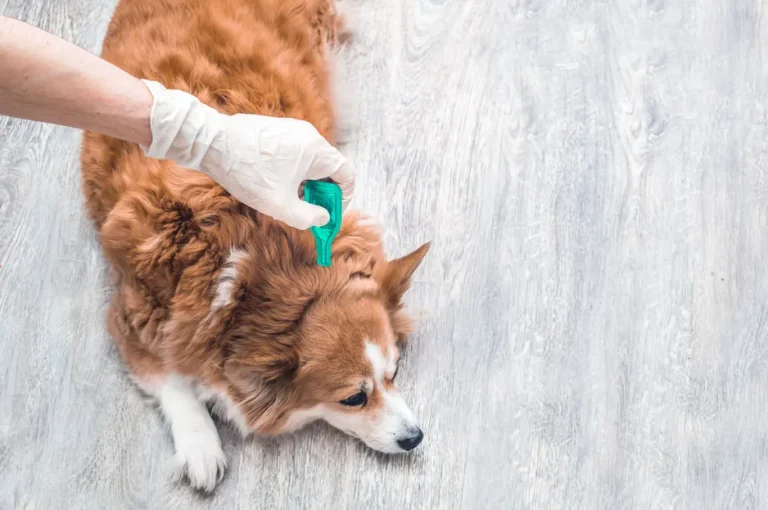
A top-down view of a brown and white dog lying on a light gray floor, while a hand wearing a white glove applies a spot of bright green liquid, likely flea or tick treatment, to the fur between the dog's shoulder blades.

How Parasite Prevention Contributes to the Overall Health of Pets

Effective parasite prevention is crucial for maintaining the overall health of pets. By safeguarding against fleas, ticks, and intestinal worms, pet owners enhance their pets' quality of life and prevent serious health issues. Regular veterinary check-ups, proper nutrition, and a clean environment foster a healthier, happier future for beloved companions.


A close-up of a Beagle puppy with tricolor markings—black, white, and brown—standing on a bright white floor, leaning its face close to the camera with large, dark eyes and floppy ears, while the rest of its body is slightly out of focus.

How Nutrition Affects Pet Behavior

This article explores how nutrition significantly influences pet behavior, highlighting the impact of diet composition, micronutrients, and food sensitivities. It emphasizes that a balanced diet can improve mood, energy, and overall well-being, fostering happier and healthier pets, while also suggesting dietary adjustments for better behavioral outcomes.

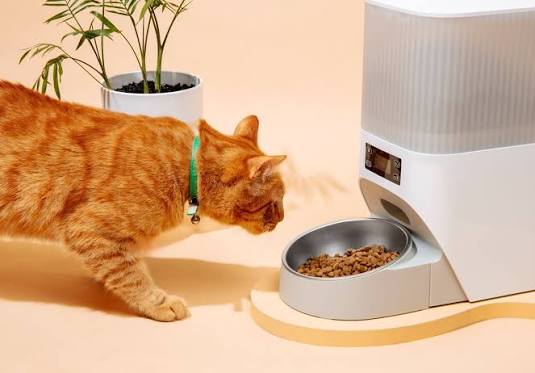
An orange tabby cat wearing a green collar, seen in profile as it bends down to eat dry kibble from a silver metal bowl attached to a white automatic pet feeder on a light-colored surface.

Natural Food vs. Kibble: What is Better for Your Cat?

Explore the benefits and drawbacks of natural food and kibble for your cat's nutrition. This guide highlights essential protein quality, moisture content, convenience, and affordability, helping you make an informed decision based on your cat’s unique needs and preferences for optimal health and wellbeing.

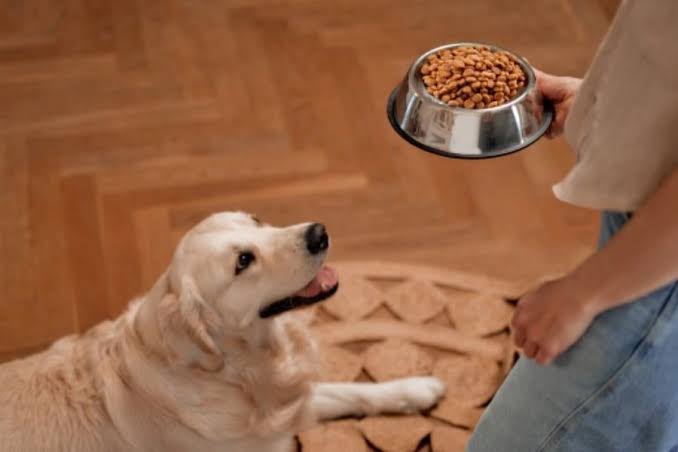
A close-up of a light-colored dog looking up with its mouth open and tongue slightly out, with a silver metal bowl suspended in the upper right corner against a warm, wood-toned background.

Nutritional Supplements: When and How to Use in Your Pet’s Diet

Discover how to enhance your pet's well-being through nutritional supplements. Learn to identify your pet's specific needs, explore various supplement types, and understand their benefits. Consulting a veterinarian ensures you choose the right products, maximizing health improvements and supporting a happier, longer life for your furry friend.

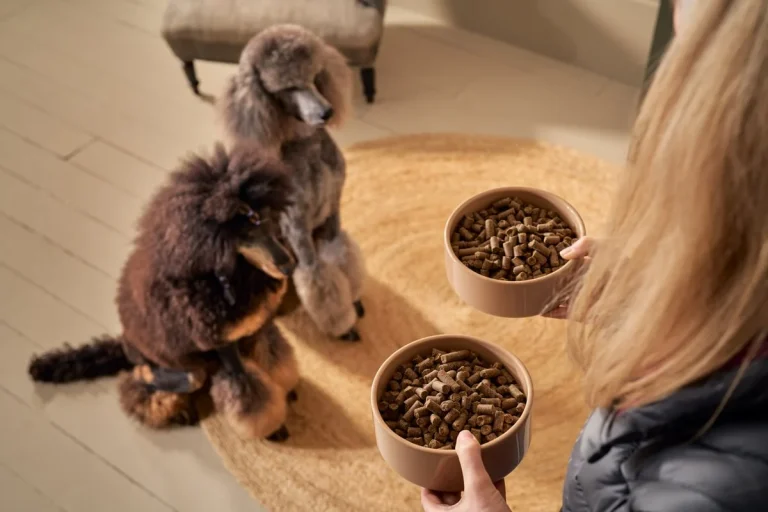
The Importance of Balanced Nutrition for Dog Health

Balanced nutrition is essential for optimal dog health, impacting physical condition, behavior, and emotional well-being. A well-rounded diet rich in proteins, fats, carbohydrates, vitamins, and minerals supports healthy growth, cognitive function, and weight management. Investing in proper nutrition can enhance your dog's quality of life and longevity.

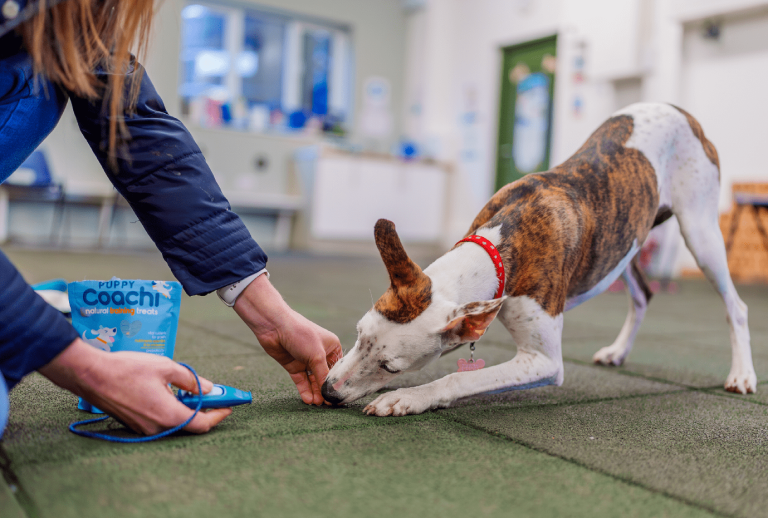
A person wearing a dark blue jacket kneeling on an indoor green mat, using a blue clicker and holding a bag of training treats, as a brindle and white dog wearing a red collar bows down to sniff and eat from the person's hand.

The Role of Clicker Training in Shaping Pet Behavior

Explore the transformative impact of clicker training on shaping pet behavior through positive reinforcement. This innovative method enhances communication and deepens the bond between pets and owners while effectively addressing behavioral issues. Discover how clicker training can lead to a well-adjusted, obedient companion through enjoyable, stress-free sessions.

A black and white puppy with floppy ears and a white stripe down its face, lying on green grass with its front paws stretched out and its back end raised in a playful bowing posture, looking directly toward the camera.

Understanding Canine Body Language to Improve Training Techniques

Effective dog training hinges on understanding canine body language, including tail positions, ear movements, and posture. By recognizing these signals, owners can create a positive training environment, respond to their dog's emotional needs, and strengthen their bond, ultimately enhancing training techniques and fostering a deeper connection with their pets.

Two smiling women crouching on a sidewalk outside a storefront, one shaking a brown and black dog's paw while wearing a blue disposable glove, with a second black and white dog on a blue leash nearby, and large window decals of a dog and a cat behind them.

Innovative Training Techniques for Socializing Rescue Pets

Innovative training techniques for socializing rescue pets focus on modern methods that enhance emotional well-being and behavioral development. By incorporating play, positive reinforcement, and multi-sensory experiences, caregivers can create supportive environments that foster trust and improve adoption success rates, transforming the lives of these deserving animals.

A close-up of a person's hand with white nail polish gently holding a brown dog's paw, with the person wearing a white ribbed sleeve, set against a softly blurred gray background.

Positive Reinforcement: The Key to Successful Pet Training

Positive reinforcement transforms pet training into a joyful journey by rewarding desired behaviors, building trust, and reducing anxiety. This humane approach enhances learning and retention, making it ideal for various pets. Tailoring rewards and understanding behavior are crucial for fostering deep connections and ensuring effective training experiences.

happypawstore.com
Privacy Overview

This website uses cookies so that we can provide you with the best user experience possible. Cookie information is stored in your browser and performs functions such as recognising you when you return to our website and helping our team to understand which sections of the website you find most interesting and useful.