Beatriz

Beatriz

Beatriz Johnson is a seasoned pet care expert and writer with a passion for simplifying the complexities of pet ownership and animal well-being. With over a decade of experience in the field, she specializes in topics like pet nutrition, training techniques, and health care. Through her work on our website, Beatriz empowers pet owners to make informed decisions and provide the best possible care for their furry friends, ensuring happy and healthy lives for their beloved companions.
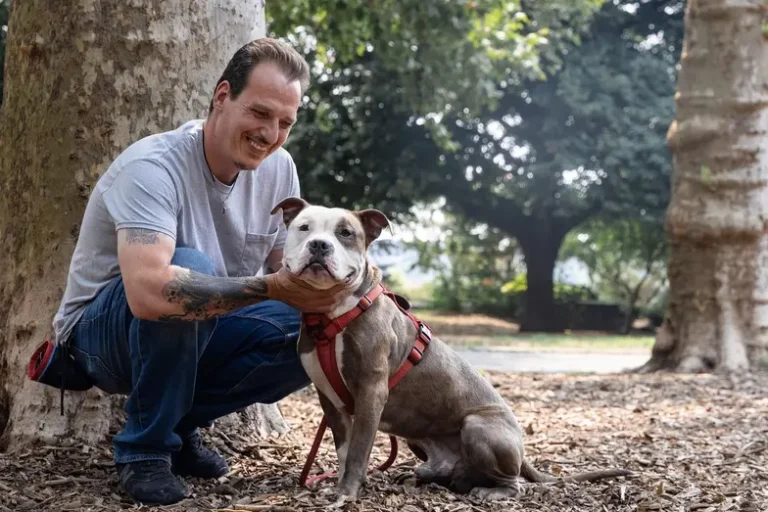
A smiling man with tattoos on his arm crouching next to a large tree in a park, gently holding the chin of a gray and white pit bull-type dog wearing a red harness.

How Behavior Science Can Improve Pet Adoption

This article explores how behavior science enhances pet adoption by improving match compatibility and reducing stress in shelters. Utilizing behavioral assessments and community engagement, organizations can create welcoming environments and effective outreach. These strategies foster emotional connections, leading to more successful adoptions and lasting bonds between pets and their families.
A smiling young woman lying on a woven rug next to her Golden Retriever, waving at a laptop screen during a video call in a bright indoor room.

Exploring the Effectiveness of Virtual Training Classes for Pets

Virtual training classes for pets offer accessibility, flexibility, and cost-effectiveness, allowing owners to engage with expert trainers from home. While these classes accommodate diverse learning styles, challenges like distractions and lack of hands-on guidance can arise. Understanding the strengths and limitations is crucial for effective pet training.

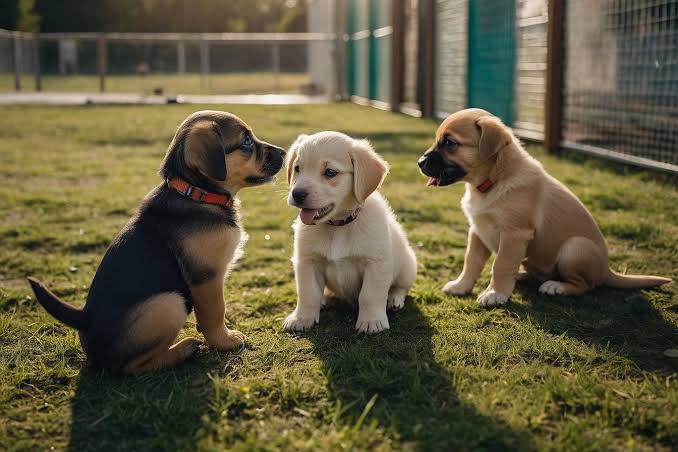
Three puppies sitting on green grass outdoors, looking at each other. From left to right: a black and tan puppy, a cream-colored puppy, and a light brown puppy, all wearing collars, with a fence in the sunlit background.

The Role of Socialization in Puppy Training Success

Socialization is essential for puppy training success, shaping behavior and enhancing adaptability. Early exposure to different dogs, people, and environments fosters confidence, reduces anxiety, and improves obedience. By employing positive reinforcement and structured interactions, owners can ensure their puppies grow into well-adjusted adult dogs, strengthening the owner-pet bond.

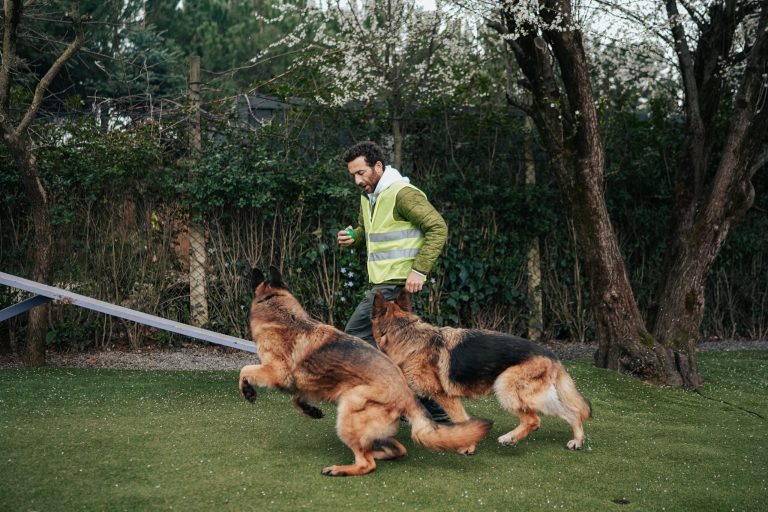
A photograph of a man with dark curly hair and a beard, wearing a reflective green safety vest over an olive-green jacket, leading two large German Shepherd dogs. The man is walking across a grassy training field. The dog closest to him is in mid-bound, almost jumping, looking up at him, and the second dog is running alongside, also focused on him. Trees with white spring blossoms and bushes are in the background, along with part of an agility training ramp.

The Impact of Consistency and Routine on Effective Pet Training

Discover how consistency and routine significantly enhance effective pet training. Establishing structured schedules fosters trust and predictability, making learning enjoyable for pets. Explore the benefits of regular training sessions and positive reinforcement to create well-behaved companions, ultimately strengthening the bond between pets and their owners.

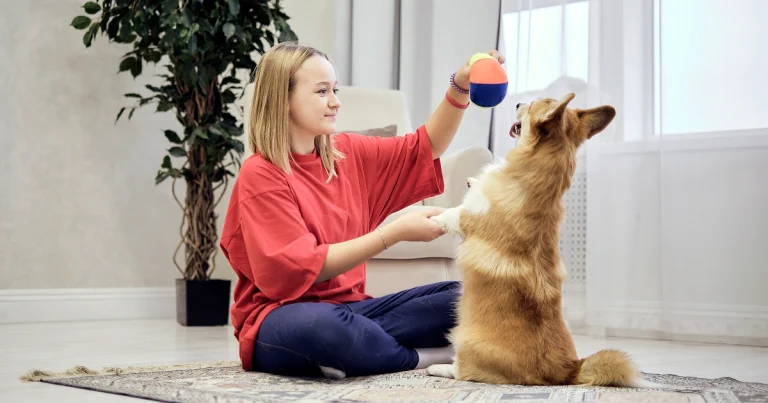
A young woman with blonde hair, wearing a red t-shirt, sits on a patterned rug and trains her Pembroke Welsh Corgi. She holds a colorful toy high, and the dog is sitting on its hind legs, reaching up with its paw while looking at the toy. A large potted plant is in the background.

Incorporating Enrichment Activities in Pet Training Sessions

Integrating enrichment activities into pet training enhances skills and strengthens the bond between pets and owners. By incorporating puzzle toys, agility courses, and interactive games, pet owners can provide mental stimulation and exercise, resulting in happier, healthier pets and improved behavior during training sessions.

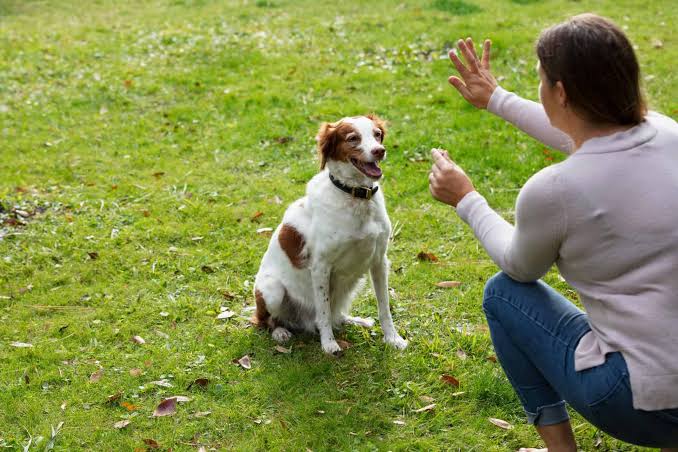
A photograph showing a woman and a dog during a positive reinforcement training session in a grassy field. The woman is crouched, making a hand signal, and holding a small treat, while a white and brown spaniel sits patiently and looks at her.

The Benefits of Positive Reinforcement in Dog Training

Positive reinforcement in dog training fosters trust and strengthens the bond between dogs and owners by rewarding desirable behaviors rather than punishing mistakes. This humane approach leads to better obedience, reduced anxiety, and increased engagement, making training enjoyable and effective for both pets and their owners.

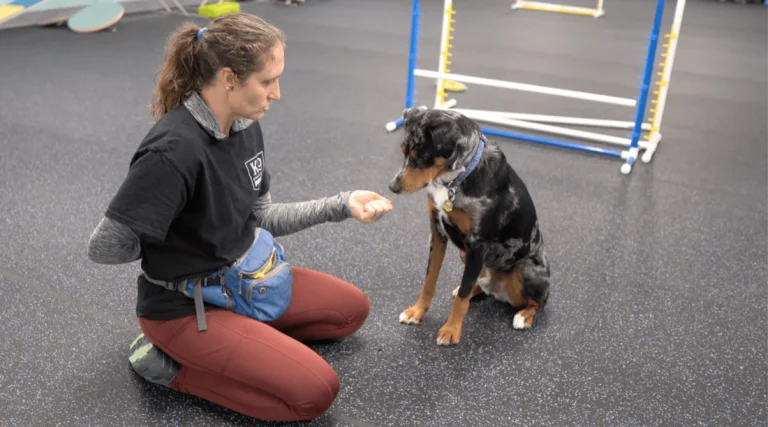
A woman kneels on a textured rubber training floor and presents a closed fist to a sitting merle-coated dog, which is looking intently at her hand. The woman wears a black t-shirt over a grey long-sleeved shirt, reddish-brown pants, and a blue and grey fanny pack. In the background of the indoor training facility, colourful dog agility equipment, such as jumps, is visible.

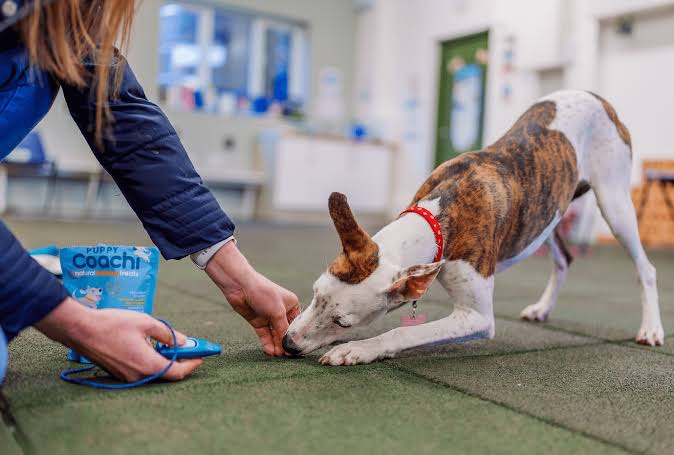
The effectiveness of positive reinforcement training for dogs: techniques and results

Positive reinforcement training effectively enhances the bond between dogs and their owners by rewarding desirable behaviors. Techniques like clicker training and shaping foster a positive learning environment, improving emotional well-being and long-term retention of commands. This humane approach promotes obedience, reduces anxiety, and integrates seamlessly into everyday life.

happypawstore.com
Privacy Overview

This website uses cookies so that we can provide you with the best user experience possible. Cookie information is stored in your browser and performs functions such as recognising you when you return to our website and helping our team to understand which sections of the website you find most interesting and useful.