
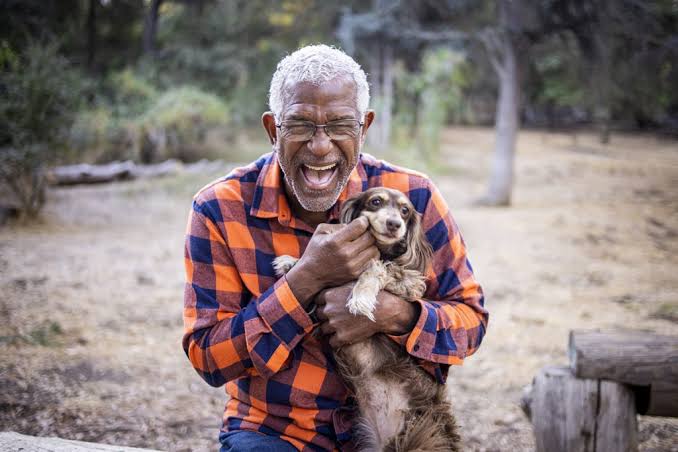

Understanding the Needs of Elderly Animals
Caring for senior pets is an essential part of responsible pet ownership. As animals grow older, they often need more attention and specialized care than they did in their younger years. Aging is not simply another stage of life; it is a major transition that can affect both physical health and emotional well-being.
By understanding how to support elderly animals, owners can help extend their lives while also improving their daily comfort and overall quality of life.
Why Care Matters
The aging process can affect pets in several ways:
Increased susceptibility to illness: Senior animals are more likely to develop chronic conditions such as diabetes, kidney disease, and heart problems. Regular veterinary examinations become increasingly important because early detection can lead to more effective management and treatment, potentially improving longevity.
Decreased mobility: Many older pets experience arthritis, joint stiffness, and reduced flexibility, making it harder for them to enjoy activities they once loved. Orthopedic beds, ramps, and joint supplements can help improve their mobility and comfort.
Changing dietary needs: Nutritional requirements often shift as pets age. They may need food that is lower in calories but higher in fiber and essential nutrients. Senior-specific diets are designed to address these changes, and choosing the right food can directly influence an animal’s health.
Recognizing these physical and nutritional changes allows owners to make informed decisions that improve their pets’ quality of life. Gentle exercise can help preserve joint flexibility, while specially designed feeding utensils may make meals easier for animals with dental problems.
Engaging in Senior Care
A proactive approach is essential when caring for elderly pets. In addition to scheduling regular veterinary appointments, owners should consider age-appropriate diets and enriching activities that reflect their pets’ changing abilities.
Mild physical activities, such as short walks or play sessions with softer toys, can keep senior animals mentally stimulated and physically active without exhausting them.
Providing a safe and loving environment is equally important. Simple adjustments, including non-slip mats and easily accessible food and water bowls, can reduce risks around the home. A warm, comfortable space also allows an aging pet to rest peacefully and may reduce the stress and anxiety that sometimes accompany aging.
With proper care and attention, time spent with an elderly companion can be deeply rewarding. Recognizing the joy senior pets bring into our lives reinforces the importance of protecting their comfort and dignity. Learning more about their changing needs empowers owners to provide exceptional care throughout their golden years.
DISCOVER MORE: Click here to learn about training methods.
Creating a Tailored Routine for Your Elderly Companion
Effective senior pet care begins with a routine designed around the animal’s individual needs. A consistent daily schedule provides comfort and security, helping older pets manage the changes associated with aging.
By adopting a personalized approach, owners can help their companions do more than simply get through their senior years. They can help them continue to enjoy a comfortable and fulfilling life.
Routine Veterinary Care
Regular veterinary care becomes increasingly important as pets grow older. Unlike younger animals, senior pets may require examinations every six months. These appointments allow veterinarians to monitor important health indicators and identify potential problems early.
Senior animals may benefit from:
Comprehensive health assessments: Routine blood tests and urine analyses can reveal hidden medical issues and allow treatment to begin sooner.
Vaccinations: Keeping vaccinations current remains important because older pets may have different immune needs from younger animals.
Dental examinations: Oral health is closely connected to general health. Untreated dental problems can contribute to more serious medical conditions.
Owners should maintain open communication with their veterinarian and report any changes in behavior, appetite, weight, or physical condition. Developing a trusted relationship with a veterinary professional can make it easier to make informed decisions as a pet ages.
Adjusting Nutritional Needs
A pet’s digestive system and metabolism change with age, making it necessary to reassess its diet carefully. Foods formulated specifically for senior animals can help meet these changing nutritional requirements.
Important dietary considerations include:
Lower calorie intake: Older pets are often less active and may gain weight more easily. Reducing calories while maintaining complete nutrition can help prevent obesity.
High-quality protein: Easily digestible protein sources can support muscle maintenance, as animals often lose muscle mass with age.
Increased fiber: Fiber supports healthy digestion and may help manage age-related gastrointestinal concerns.
Before switching to a senior-specific diet or making other dietary changes, consult your veterinarian. They can recommend options based on your pet’s individual health profile. Regularly monitoring weight and adjusting food portions when necessary can also help maintain optimal health.
With a thoughtful and organized approach, owners can manage the challenges of aging while creating a supportive environment for their pets. This level of care can improve comfort, promote longevity, and deepen the bond shared during this meaningful stage of life.
| Category | Description |
|---|---|
| Nutrition | Providing high-quality food suited to a pet’s age can help maintain energy and overall health. |
| Veterinary Care | Regular examinations support early detection of health problems and may improve longevity. |
| Exercise | Gentle activity supports mobility, helps prevent obesity, and provides mental stimulation. |
| Comfortable Living Environment | A safe and cozy space can reduce stress and improve everyday comfort. |
Nutrition is one of the most important considerations when caring for an elderly animal. A diet tailored to the pet’s age, weight, and medical needs may help prevent common concerns such as obesity and arthritis.
Regular veterinary examinations are equally important. Early diagnosis of age-related diseases can improve treatment options and significantly enhance quality of life.
Physical activity should be adjusted to match the pet’s abilities. Gentle exercise can help preserve joint health while also providing valuable mental stimulation.
Finally, a comfortable living environment helps senior pets feel safe and reduces anxiety. Soft bedding, easy access to food and water, and a calm atmosphere all contribute to a happier and healthier life.
LEARN MORE: Click here to discover the benefits of consistency in pet training.
Enhancing Physical and Mental Stimulation
A personalized routine is important, but senior pets also need appropriate physical and mental stimulation. Staying active can help prevent obesity, preserve muscle strength, and support cardiovascular health. Mental engagement may also help address cognitive decline.
The following strategies can help keep elderly animals active and engaged.
Gentle Exercise Regimens
Older pets may have lower energy levels and stiffer joints, making vigorous activity less suitable. However, regular gentle exercise remains important for their health and quality of life.
Short, frequent walks: Instead of taking one long and demanding walk, consider several shorter outings throughout the day. This keeps the joints moving while providing opportunities for bathroom breaks and social interaction.
Low-impact activities: Swimming can be an excellent option for animals with joint problems because it allows movement without placing excessive pressure on the body. Gentle games of fetch using soft toys may also be beneficial when kept moderate.
Supporting flexibility: Stretching exercises or yoga designed for pets may help maintain flexibility and mobility while supporting overall joint health.
Mental Enrichment Activities
Mental stimulation is just as important as physical exercise. Interactive activities that encourage problem-solving may help address cognitive decline and keep senior pets interested in their surroundings.
Puzzle toys: These toys require animals to solve simple challenges to reach hidden treats or rewards.
Training sessions: Older animals can still learn new tricks or practice familiar commands. Brief sessions lasting between one and five minutes can keep their minds active without causing fatigue.
Sensory exploration: Give your pet opportunities to encounter new scents. Exploration walks in different environments or indoor scavenger hunts using treats can provide valuable stimulation.
Providing manageable physical activities and mental challenges supports health while strengthening the relationship between pets and their owners. Regular interaction may also help reduce the loneliness and depression that can accompany aging.
Comfortable Living Environments
Alongside physical and mental care, senior pets need a comfortable living environment. Aging can bring joint pain, reduced mobility, and sensory changes, making thoughtful household adjustments especially important.
Soft bedding: Orthopedic beds designed for senior animals can reduce pressure on the joints and provide greater comfort during rest.
Accessible spaces: Make sure beds, food stations, and favorite areas are easy to reach. Ramps or pet stairs may help animals that struggle to climb onto furniture or enter vehicles.
Temperature control: Older pets may become more sensitive to heat and cold. Provide a warm, draft-free resting area with easy access to water, heating, or air conditioning when necessary.
By addressing physical comfort and emotional well-being, owners can create an environment that supports both longevity and quality of life. Understanding an elderly pet’s individual needs helps preserve its dignity and comfort throughout its later years.
LEARN MORE: Click here to discover the importance of socialization in puppy training.
Conclusion
Caring for elderly animals is a meaningful responsibility that can greatly improve the lives of beloved companions. As pets age, their needs change, and responding appropriately can help them enjoy a comfortable and rewarding final stage of life.
Gentle exercise and mental enrichment can keep senior pets active, healthy, and engaged. Short daily walks, age-appropriate toys, and simple training activities support physical strength and cognitive function without placing unnecessary strain on the animal.
A comfortable living environment can also reduce the challenges associated with aging. Supportive bedding, accessible spaces, and appropriate temperature control can make a significant difference for pets experiencing joint pain or reduced mobility. These adjustments improve comfort while demonstrating an owner’s continued care and commitment.
Ultimately, caring for an elderly animal is a shared journey that can deepen the bond between pet and owner. By remaining attentive to individual needs and making thoughtful changes, owners can help their companions live with love, happiness, and dignity.
Providing the best possible senior pet care allows families to enjoy more meaningful moments together while ensuring that aging animals receive the compassion and support they deserve.