
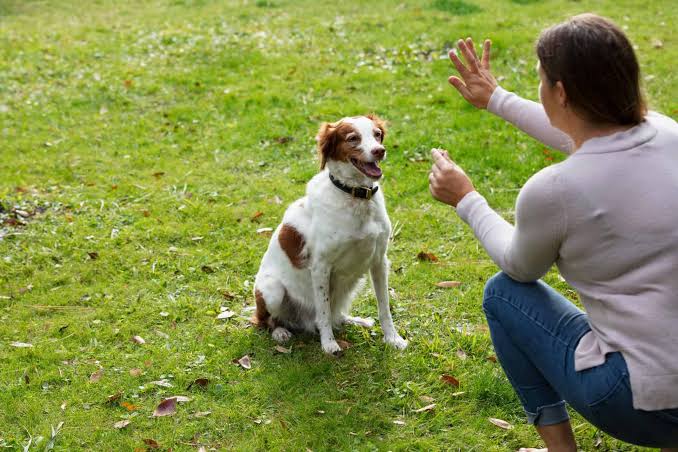

The Benefits of Positive Reinforcement in Training Dogs
Training a dog can be both rewarding and challenging. Choosing the right methods can improve the learning process while strengthening the bond between you and your pet. One of the most widely recommended approaches is positive reinforcement, which rewards desirable behavior instead of punishing mistakes. This method has become increasingly popular because it is humane, ethical, and capable of producing lasting results.
Why has positive reinforcement become the preferred training method for so many dog trainers and pet owners? Several important benefits help explain its popularity:
- Encourages good behavior: Rewarding your dog with treats, toys, or praise clearly communicates which behaviors you want to see. For example, when your dog sits on command and immediately receives a treat, they learn that sitting leads to a positive outcome. This connection makes the behavior more likely to occur again.
- Builds trust: A relationship shaped by positive experiences naturally develops greater trust. Dogs that feel safe and valued are more willing to follow commands and interact with their owners. This is especially important for rescue dogs that may have experienced trauma. Positive reinforcement can help them feel secure and cared for, supporting their emotional recovery.
- Increases engagement: Dogs, like people, respond more enthusiastically to enjoyable experiences. Training sessions that include play and rewards often encourage greater participation. A favorite toy, for instance, can be offered after a dog successfully completes a task, allowing training and playtime to become part of the same positive experience.
In a world where traditional training methods may rely on fear or punishment, positive reinforcement offers a humane and effective alternative. It also reflects the growing preference for more ethical approaches to pet ownership in the United States and elsewhere. A substantial body of research supports this method, suggesting that dogs trained positively often show better behavior and develop stronger relationships with their owners.
To understand the full value of positive reinforcement, it is also important to examine the different techniques included within this approach. From clicker training to the use of high-value treats, owners can choose from several effective strategies. Each method can be adapted to suit a dog’s individual personality and needs, helping create a more successful training experience.
Positive reinforcement can ultimately help shape a well-mannered companion while deepening the trust and affection between dog and owner. Whether you are training your first pet or have years of experience, this ethical, effective, and engaging approach deserves serious consideration.
LEARN MORE: Click here to discover the impact of disease prevention in pets.
Transforming Training Experiences Through Positive Reinforcement
Exploring dog training through the principles of positive reinforcement reveals benefits that extend beyond behavior alone. This method focuses on rewarding preferred actions and creating a learning environment based on encouragement rather than discipline. By combining behavioral psychology with an understanding of dogs’ emotional needs, positive reinforcement can create a more balanced and harmonious training experience.
One of its greatest advantages is its lasting effect on learning. Traditional methods that depend on punishment or negative feedback can create fear and anxiety. Positive reinforcement, by contrast, establishes a foundation of trust. Dogs trained with rewards are more likely to retain what they have learned over time. Studies also indicate that reward-trained dogs often experience less stress and anxiety than dogs exposed to aversive techniques, contributing to a more emotionally stable and well-adjusted pet.
Positive reinforcement also creates an engaging environment in which dogs feel motivated to learn. Treats, toys, affection, and enthusiastic praise can increase a dog’s willingness to practice and master new commands. Active participation during training improves learning and encourages clearer communication between the dog and trainer. Over time, this can lead to better behavior in everyday situations, including walks, veterinary visits, and interactions with other animals.
- Variety in rewards: One of the strengths of positive reinforcement is its flexibility. Dogs respond differently to various incentives. Some are highly motivated by food, while others prefer a favorite toy or a game of fetch. Understanding your dog’s preferences keeps reward-based training interesting and effective.
- Reduction in behavioral problems: Consistently reinforcing acceptable behavior can help reduce unwanted actions. Problems such as jumping, excessive barking, or chewing inappropriate objects can often be redirected by rewarding more suitable alternatives.
- A stronger bond: Positive training encourages deeper trust, respect, and understanding between dogs and their owners. Rewarding good behavior supports learning while also expressing care and affection.
Using positive reinforcement creates a culture of appreciation rather than fear. Dogs are social animals that thrive on attention and connection, making this approach well suited to their natural tendencies. It also creates a positive cycle in which both the dog and owner begin to view training sessions as enjoyable and worthwhile.
The following sections explore practical tools and techniques that can make positive reinforcement even more effective. From clicker training to regularly scheduled practice sessions, these strategies can help owners make the most of this approach and guide their dogs toward becoming well-behaved companions.
| Advantages | Details |
|---|---|
| Improved Behavior | Positive reinforcement encourages dogs to repeat desirable actions, leading to better obedience and fewer behavioral problems. |
| Strengthened Bond | Rewards such as treats and praise build trust and deepen the emotional connection between dog and owner. |
| Motivated Learning | Dogs often learn more quickly when positive outcomes motivate them, making training more effective and enjoyable. |
| Reduced Stress | Training without fear creates a calmer environment, supporting better learning and a happier pet. |
Positive reinforcement improves the training environment for both dogs and their owners while offering several important behavioral and emotional benefits. Research suggests that dogs often respond more effectively to praise than to disapproval, creating a more constructive and rewarding learning process.
This method can play an important role in raising a well-adjusted dog by improving behavior without relying on punishment. Positive interactions also strengthen the relationship between dog and owner, encouraging cooperation and a greater willingness to learn. By paying attention to what a dog does correctly instead of focusing only on mistakes, owners can build a relationship based on mutual respect and understanding.
Whether the reward is a treat, praise, or playtime, the promise of a positive outcome encourages dogs to participate more actively in training. Instead of approaching lessons with reluctance, they become enthusiastic learners. This creates a shared experience of progress and enjoyment while demonstrating the remarkable potential of canine companions.
LEARN MORE: Click here for insights on disease prevention.
Techniques and Strategies to Improve Training Success
Once the principles of positive reinforcement are understood, owners can begin applying specific techniques that increase the effectiveness of this training method. Its success often depends on using the right tools and strategies to support learning while keeping each session positive and engaging.
The Clicker Training Method
Clicker training is one of the most commonly used positive reinforcement techniques. It involves a small handheld device that makes a distinct clicking sound when pressed. By pairing the click with a reward, dogs learn to associate certain behaviors with positive results.
Because the click occurs immediately, it provides clear feedback and marks the exact moment the desired behavior happens. Research suggests that clicker training can support faster learning and stronger skill retention, which is why it remains popular among dog trainers throughout the United States.
Establishing a Regular Training Schedule
Consistency is another essential part of successful training. Regular sessions reinforce previously learned behavior and help dogs maintain their ability to respond to commands.
Short sessions lasting between five and ten minutes are often especially effective because they keep dogs engaged without causing fatigue. Training during periods when a dog has plenty of energy can also improve enthusiasm and focus, leading to more productive practice.
Adding Variety to Training Exercises
Variety helps prevent boredom and keeps dogs interested in learning. Just as people can lose motivation when repeating the same activity, dogs may become less engaged when sessions feel predictable.
Owners can keep training fresh by rotating commands, practicing in different environments, or introducing new activities such as agility exercises or scent work. These changes can improve the learning experience while helping dogs become more confident when facing new challenges.
Using Functional Rewards
Rewards are most effective when they match the behavior or activity being reinforced. Functional rewards are incentives that naturally support a specific action.
For example, when a dog responds correctly to a command during a walk, offering a treat at that moment reinforces the command and improves the overall walking experience. Rewards may also include physical activities such as fetch or tug-of-war, both of which encourage participation and strengthen the relationship between dog and owner.
Responding Positively to Mistakes
An often-overlooked part of positive reinforcement is learning how to respond when a dog makes a mistake. Negative reactions can create fear or confusion. Instead, owners should redirect the dog toward a more appropriate behavior and reward the correct response.
This approach creates a safe environment in which dogs feel comfortable exploring and learning. By reducing fear and anxiety, positive redirection can lead to more effective training and better long-term outcomes.
The advantages and techniques associated with positive reinforcement make it clear that this method does more than improve obedience. It also strengthens the relationship between pets and their owners. By applying these strategies consistently, dog owners can help their pets reach their full potential while creating more enjoyable shared experiences.
LEARN MORE: Click here for valuable insights.
Conclusion: Embracing Positive Reinforcement in Dog Training
The benefits of positive reinforcement extend far beyond basic obedience. This approach creates an atmosphere of trust, cooperation, and mutual understanding between dogs and their owners. Techniques such as clicker training, consistent practice schedules, and varied exercises can make learning more engaging and keep dogs motivated to participate.
Matching rewards to desired behaviors also improves communication. Functional rewards make training sessions more enjoyable while helping dogs understand what is expected of them. Responding positively to mistakes is equally important because it allows dogs to learn without fear, turning training into a safe and supportive experience.
As trust grows through positive interactions, the relationship between dog and owner becomes stronger. Positive reinforcement not only encourages desirable behavior but also supports mental stimulation and emotional well-being.
As awareness of humane training methods continues to grow, more dog owners are exploring resources and communities dedicated to positive training practices. Investing time and effort in these techniques can help dogs live happier, more confident lives built on respect and security.
Positive reinforcement is more than a training method. It is a complete approach to dog ownership that celebrates shared learning and encourages owners to discover new ways to improve their pets’ lives while enriching their own.