

Understanding Your Pet’s Adaptation Process
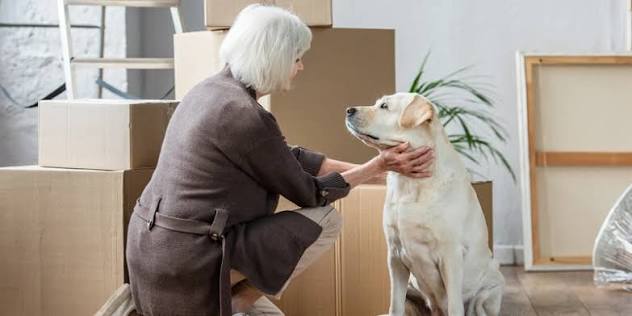
Moving to a new home or traveling can feel exciting for people, but the experience may cause stress and uncertainty for pets. Animals respond differently to changes in their surroundings. Some may become anxious, while others adjust more easily. Understanding your pet’s personality and individual needs is therefore essential during any transition.
Familiarity can play a major role in reducing anxiety during a move. Keeping items that carry your pet’s scent or form part of their daily routine—such as blankets, favorite toys, and food and water bowls—can make an unfamiliar environment feel more comforting. A dog attached to a particular plush toy, for example, may feel calmer when that familiar object is present in a new setting.
Routine is equally important. Pets often feel more secure when their days follow a predictable structure. Maintaining regular feeding, walking, and play schedules can provide reassurance amid the disruption of a move or trip. If you usually walk your dog at 7 a.m., continuing that routine can create a sense of normality and show your pet that familiar activities remain unchanged.
Gradual exposure to new environments can also ease anxiety. Rather than introducing your pet to an entire house or travel destination at once, allow them to adjust in small, manageable steps. You might let them explore one room at a time or take them on short trips to a nearby dog park so they can become familiar with new scents and surroundings. This gradual process builds confidence and reduces the risk of overwhelming them.
By focusing on familiarity, routine, and careful preparation, pet owners can significantly reduce anxiety during periods of change. Supporting pets as they adapt is essential to protecting their emotional and psychological well-being.
The following sections offer practical strategies for creating a smoother adaptation process. From calming products to specialized training techniques, there are several ways to make moving or traveling more comfortable and enjoyable for both you and your pet.
DISCOVER MORE: Click here to learn how behavior science can enhance pet adoption.
Effective Strategies for Easing Pets Into New Surroundings
As pets encounter unfamiliar surroundings, several strategies can help them adjust. From preparing before a move to helping them settle after arrival, the following tips can support a smoother transition during relocation or travel.
Prior Preparation: The Key to a Smooth Transition
One of the most effective ways to prepare a pet for a new environment is to begin well in advance. Early preparation can reduce stress and give the animal time to become accustomed to upcoming changes.
Visit the New Location: When possible, take your pet to the new home before moving day. Allow them to explore and sniff the surroundings so the location begins to feel familiar.
Secure a Quiet Space: As moving day approaches, create a calm area in your current home where your pet can remain away from noise and activity. This protected space can help them feel secure while the household is busy.
Pack Their Belongings Last: Leave your pet’s bed, toys, bowls, and other familiar items unpacked until the end. Keeping these belongings available preserves a sense of comfort during the disruption.
Behavioral Conditioning and Training
Behavioral conditioning can help pets adapt more successfully. Positive reinforcement encourages calm behavior while reducing anxiety around unfamiliar experiences.
Introduce New Sounds and Smells: Gradually expose your pet to sounds they may encounter in the new environment, such as traffic or construction. Playing recordings at home can make these noises less startling after arrival.
Practice Short Journeys: When travel is part of the move, take your pet on short car rides beforehand. These practice trips may help reduce motion sickness and anxiety during longer journeys.
Reward Exploration: Encourage your pet to explore the new home calmly. Offer praise or treats when they investigate unfamiliar areas without showing distress, reinforcing the experience as something positive.
Calming Aids: Additional Support for Peace of Mind
Calming aids may also make the adjustment process easier. Pheromone sprays, natural calming supplements, and anxiety wraps are commonly used to provide reassurance during transitions.
Combining advance preparation, positive training, and appropriate calming methods creates a strong foundation for adaptation. By remaining attentive and responding to your pet’s needs, you can reduce stress and support their overall well-being during periods of change.
| Category of Transition | Adaptation Strategies |
|---|---|
| Home Relocation | Introduce familiar belongings into the new space. |
| Traveling With Pets | Use secure harnesses or carriers to protect them during the journey. |
| New Environment | Provide gradual exposure to outdoor areas to reduce anxiety. |
| Routine Adjustment | Maintain familiar routines to help pets settle into their surroundings. |
Helping pets adapt to a new home or travel destination requires planning and an understanding of their needs. Familiar objects, recognizable scents, and consistent routines can make an unfamiliar setting feel safer.
Safety should remain a priority during travel. Carriers and harnesses can protect pets during car journeys or flights. Owners should also prepare for possible stressors, including unfamiliar sounds, sights, and smells. Gradually introducing these elements can help reduce anxiety.
A consistent routine provides stability during times of change. Regular feeding schedules, walks, and play sessions create a supportive structure that may help pets adjust more quickly. Applying these strategies can make relocation or travel less stressful for both pets and their owners.
DISCOVER MORE: Click here for insights on consistency in pet training.
Establishing Routine and Comfort After the Move
Once you arrive at your new home or travel destination, helping your pet feel comfortable should be a priority. Because pets thrive on routine, restoring familiar habits can support their emotional and psychological well-being during the adjustment period.
Recreating Familiar Spaces
Creating a welcoming area for your pet can make the new environment feel more like home.
Set Up Their Space First: Before unpacking the rest of your belongings, arrange your pet’s designated area. Include their bed, food and water bowls, and favorite toys so they immediately have a familiar place of their own.
Maintain a Consistent Routine: Keep feeding, walking, and play schedules as close to normal as possible. A predictable structure gives your pet something familiar to rely on.
Encourage Gradual Exploration: If the new home contains several rooms or an outdoor area, introduce these spaces slowly. Begin with one room and expand your pet’s access as they become more confident.
Monitoring Behavioral Changes
Pets may behave differently while adapting to a new environment. Increased clinginess, reduced appetite, or unusual vocalization can all occur during this period. Paying close attention allows you to identify discomfort early.
Monitor Their Appetite: A reduced appetite may indicate stress or anxiety. When the problem continues, consult a veterinarian for guidance and to rule out medical causes.
Watch for Excessive Barking or Meowing: Increased vocalization can be a sign of anxiety. Toys and interactive games may help redirect your pet’s attention and reduce stress.
Encourage Positive Socialization: Invite trusted friends and family members to visit so your pet can meet new people in a safe and controlled setting. Gradual, positive interactions can help them become more comfortable.
Potential Health and Comfort Aids
Alongside routine and behavioral monitoring, certain health and comfort aids may support your pet during the transition. Speak with your veterinarian before choosing products or strategies.
Natural Supplements: Some animals may benefit from supplements designed to reduce anxiety and stress. Products containing ingredients such as valerian root or chamomile may provide gentle support.
Calming Music or Sounds: Music created for pets may help mask unfamiliar noises from traffic, neighbors, or other features of the new environment.
Professional Training Support: If anxiety continues after the move, a professional trainer can recommend strategies tailored to your pet’s behavior and individual needs.
By restoring routine, observing behavioral changes, and using appropriate comfort measures, owners can support pets throughout the adaptation process. Recognizing signs of comfort or distress also makes it easier to respond effectively and strengthen the bond you share in your new surroundings.
DIVE DEEPER: Click here to learn more.
Conclusion
Helping pets adapt to new environments is essential to protecting their health and happiness during a move or trip. By prioritizing their needs, owners can create a supportive atmosphere that reduces anxiety and confusion. Because pets rely heavily on familiar routines, maintaining a predictable schedule can make the transition considerably easier.
Recreating familiar surroundings is equally important. Setting up your pet’s area first and preserving regular feeding, walking, and play schedules can help them settle more quickly. Close observation also allows you to identify signs of distress before they become more serious. Changes such as reduced appetite or anxiety-related vocalization should be addressed promptly.
Comfort aids, including natural supplements and calming sounds, may provide additional support. A veterinarian can offer recommendations based on your pet’s individual needs, while a professional trainer may suggest practical techniques for building confidence in unfamiliar surroundings.
Moving or traveling does not have to be an overwhelming experience for pets or their owners. With patience, preparation, and the right strategies, you can help your companion adapt while strengthening the bond you share and discovering your new environment together.